In 2026 we will be celebrating 100 years of the Oliver Goldsmith company.
This website gives you a taste of that history. We hope you enjoy.
The beginnings
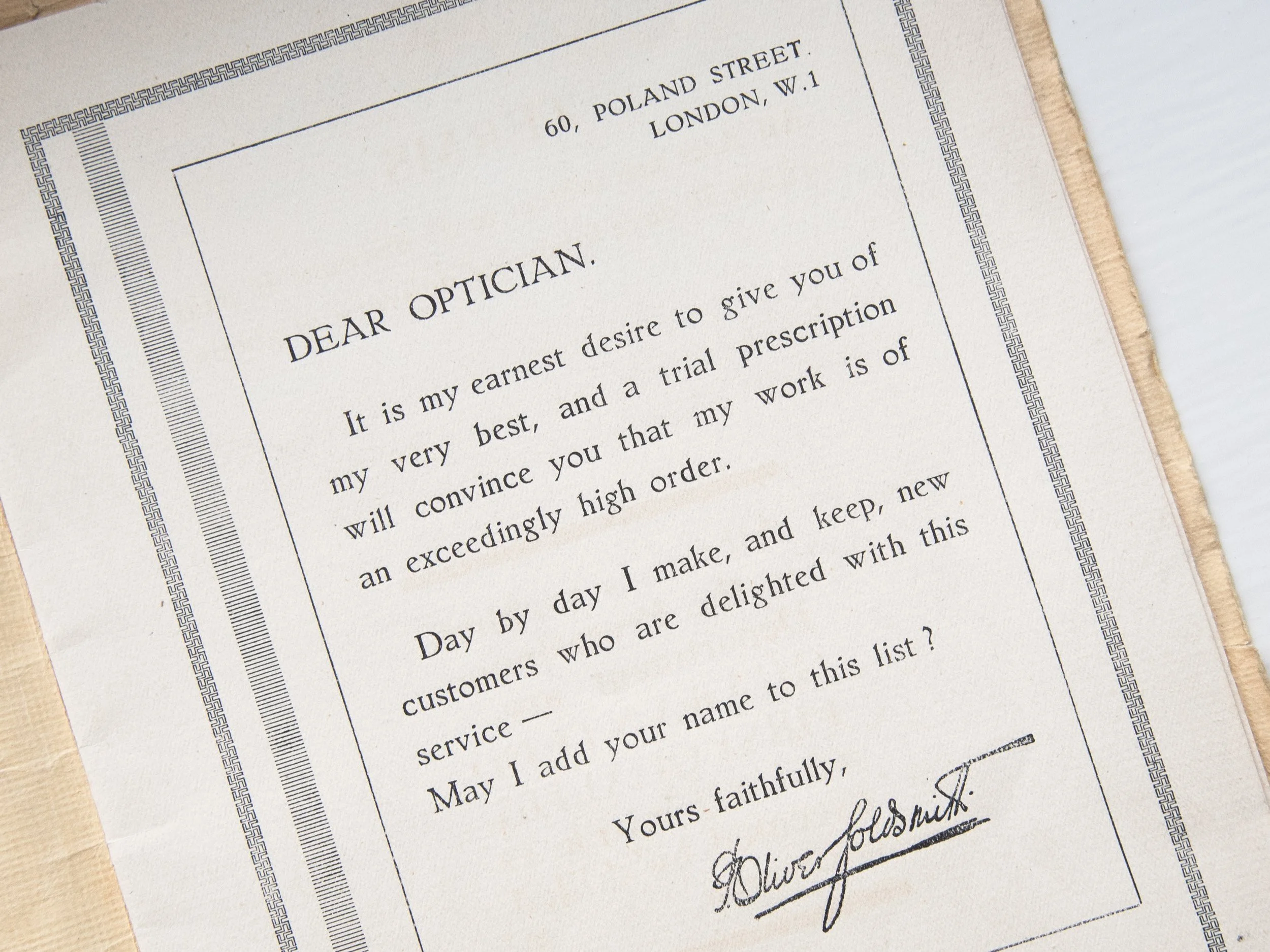
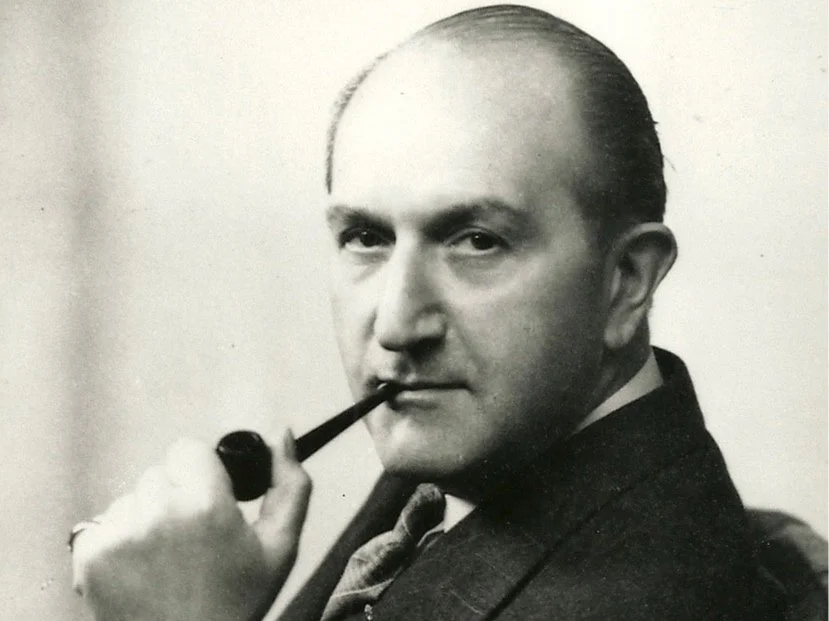
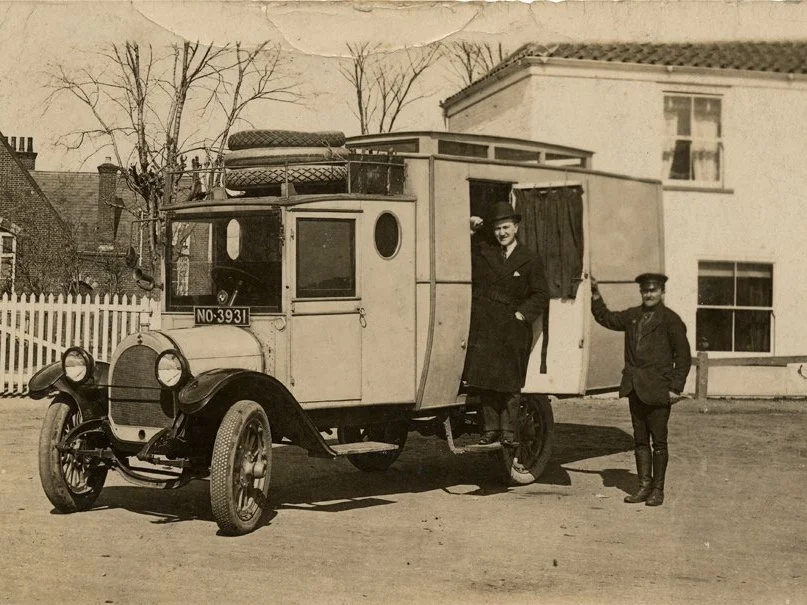
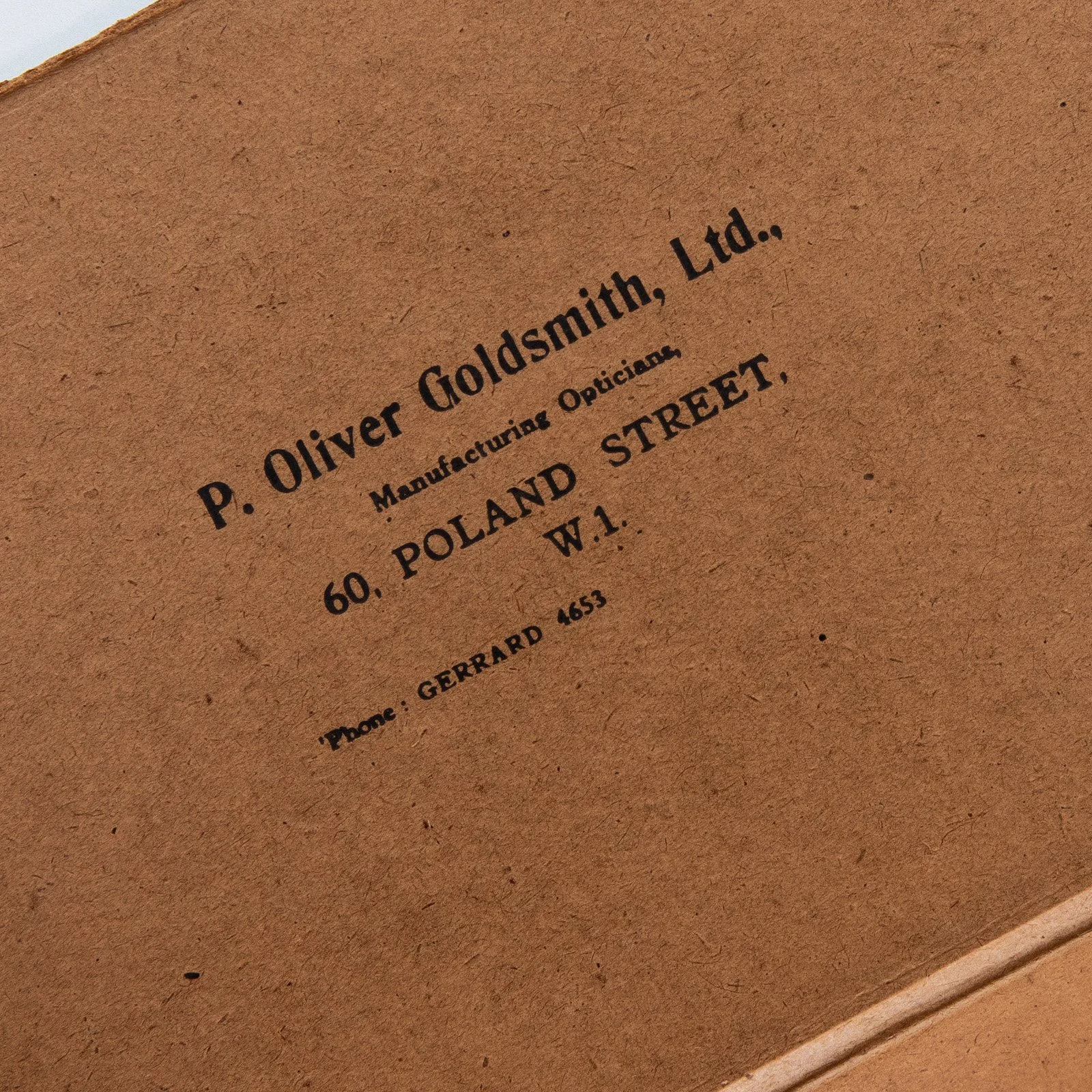
In 1919, 30-year-old Philip Oliver Goldsmith worked as a commercial traveller for London's Raphaels Ltd, driving a mobile optical showroom. At the time, opticians were scarce; people visited jewellers for eyewear. After seven successful years, he launched P. Oliver Goldsmith in 1926 on Poland Street, focusing on high-quality, handmade tortoiseshell frames costing four guineas. Spectacle options were limited to expensive tortoiseshell or brittle plastic imitations, often unflattering. Recognizing the need for an alternative, Goldsmith collaborated with a plastics manufacturer to create a flesh-colored synthetic material named "Dawn," marking a new era in spectacle frame design.
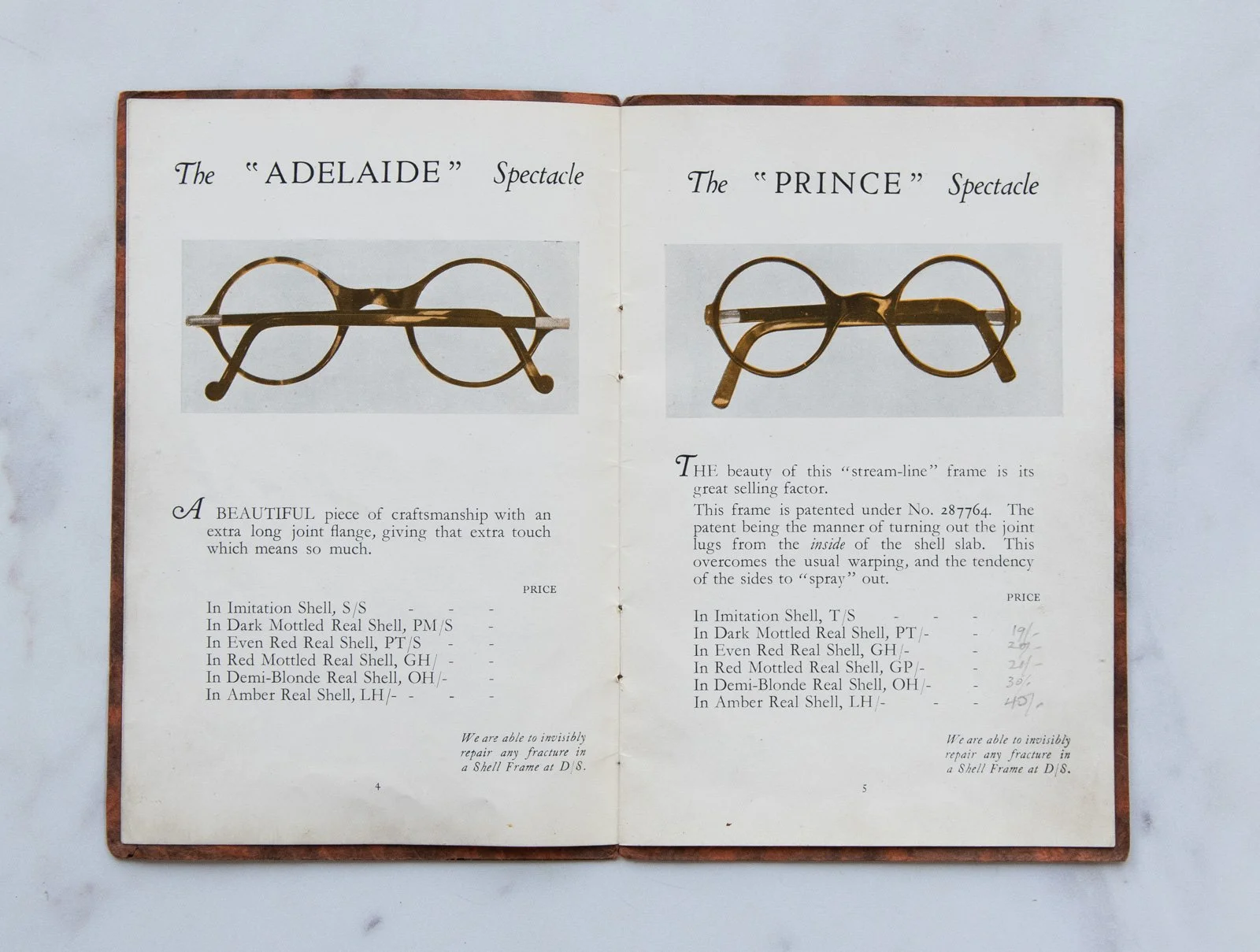
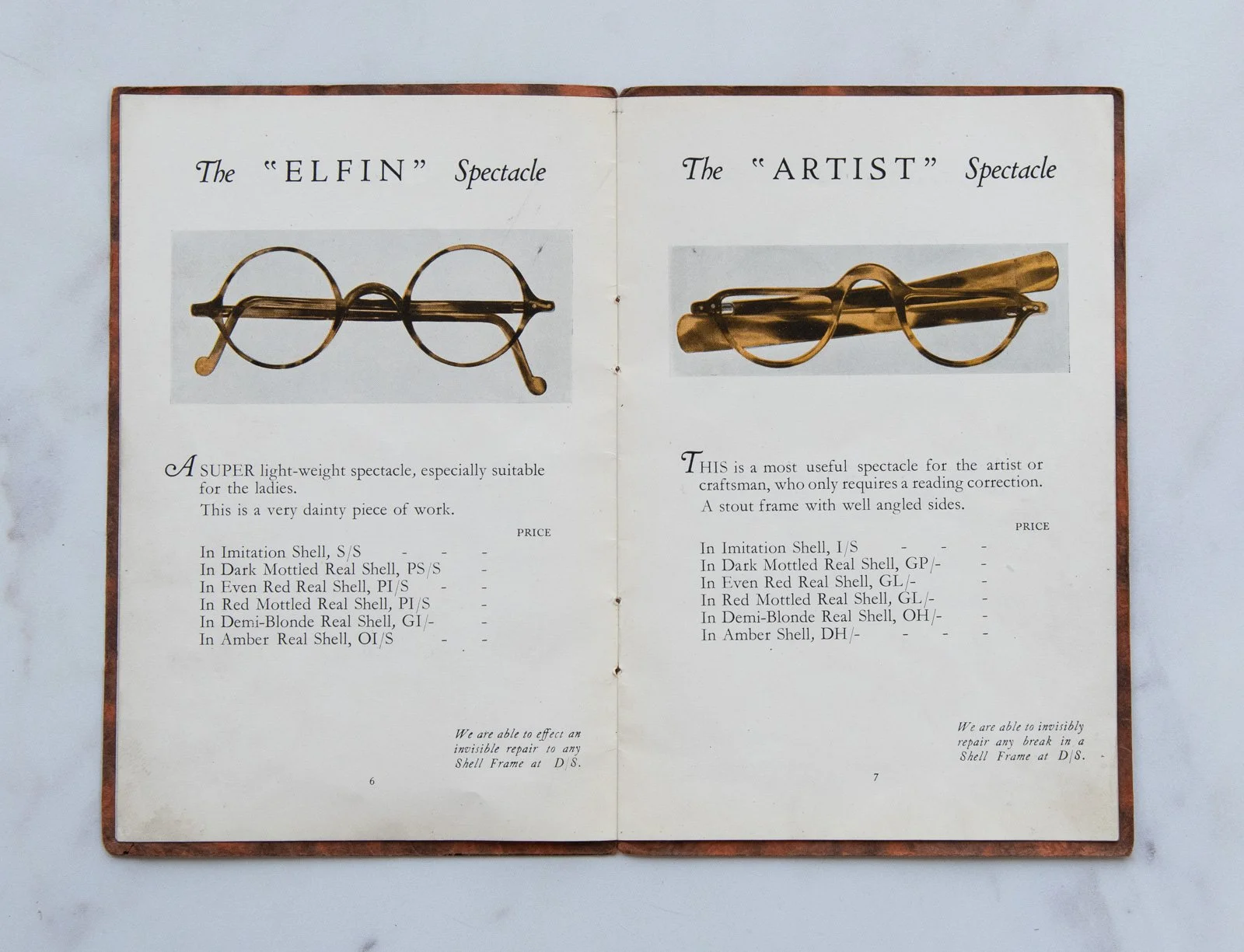
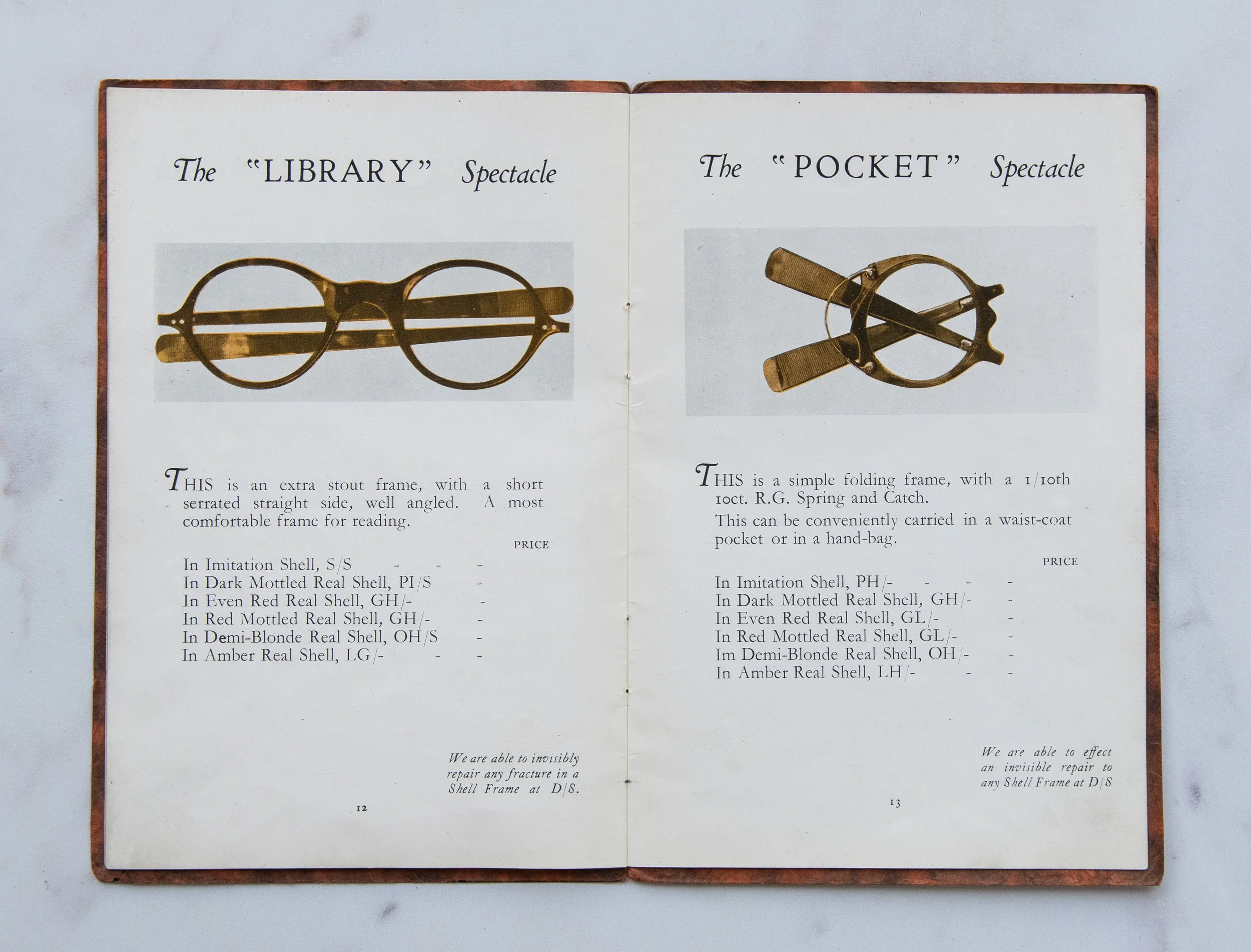
The public welcomed the revolutionary idea and the first steps were taking towards the fashion accessory spectacles of today. The other problem with frames in the 1920s was that the hinges protruded at the side, spoiling a clean design. Oliver Goldsmith helped design a new type of metal joint, which he called "The Prince," that was contained on the inside of the frame to give a much neater look. But he did not stop there.
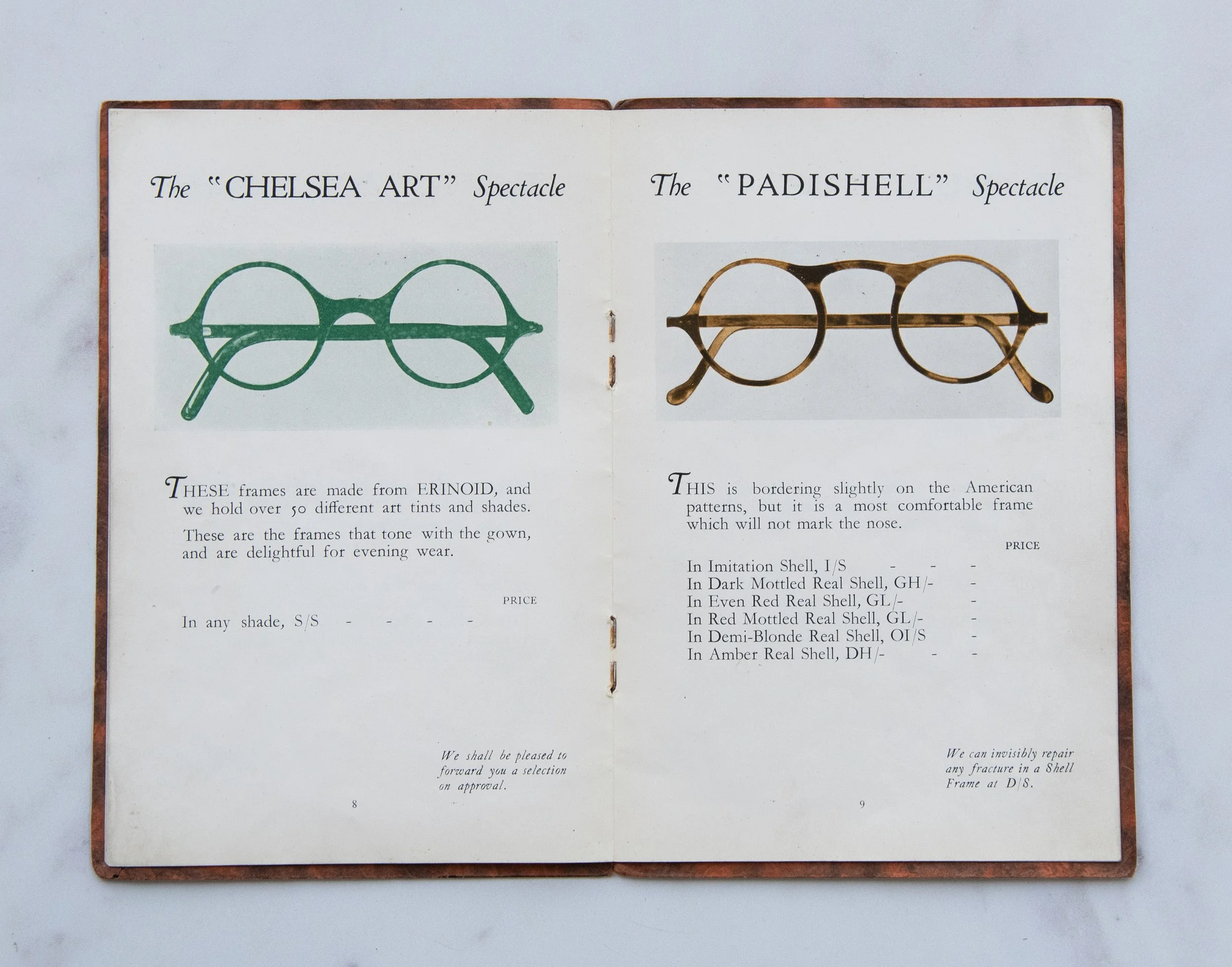
A range of brilliantly hued plastics were bought from a button material manufacturer, and the "Chelsea Art" spectacles line was designed. Bright greens, red, mauves, and blues in different finishes did not appeal to everyone in those unadventurous times, but extroverts who were not ashamed of their poor eyesight wore them with panache.
A Legacy Born of Innovation
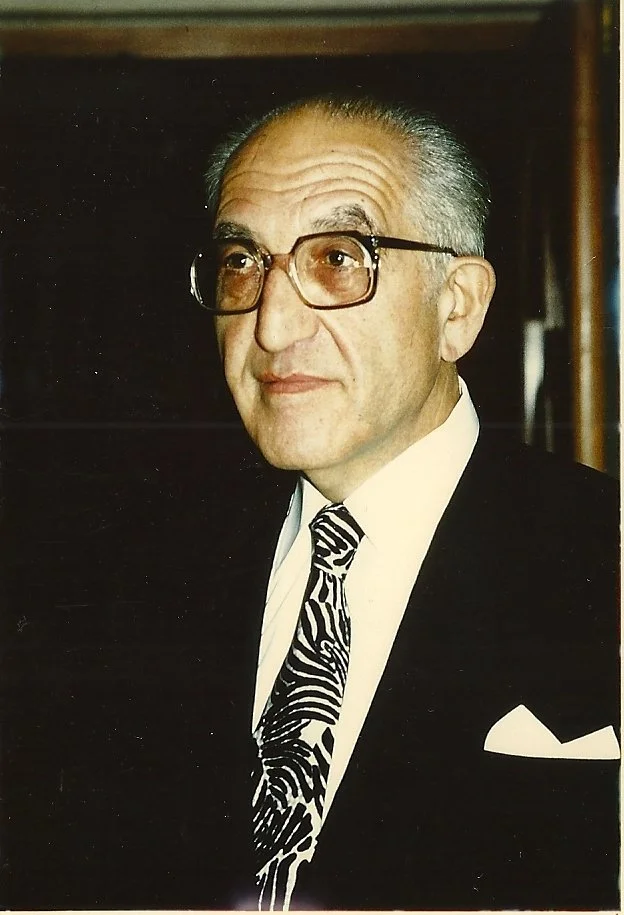
In 1930, sixteen-year-old Charles Oliver Goldsmith joined his father's firm, eager to lighten the load of his hardworking parent. Through the war years, the company proudly supplied spectacles to Britain's armed forces, continuing to serve even as the nation endured post-war austerity.
When founder Philip Oliver Goldsmith passed away suddenly in 1947, Charles stepped up as chairman—and revolutionary. In 1951, he spotted an opportunity that would change everything: sunglasses.
Back then, sunglasses were little more than unwanted spectacle frames fitted with basic tinted glass—hardly fashionable. Charles had a bold vision: beautiful frames could create an entirely new market. He designed sleek styles and pitched them to London's prestigious Fortnum & Mason and Simpsons.
They sold like hotcakes.
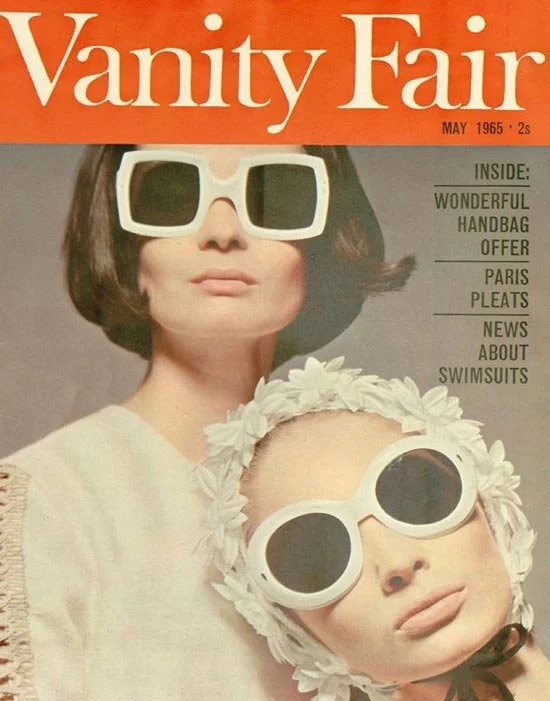
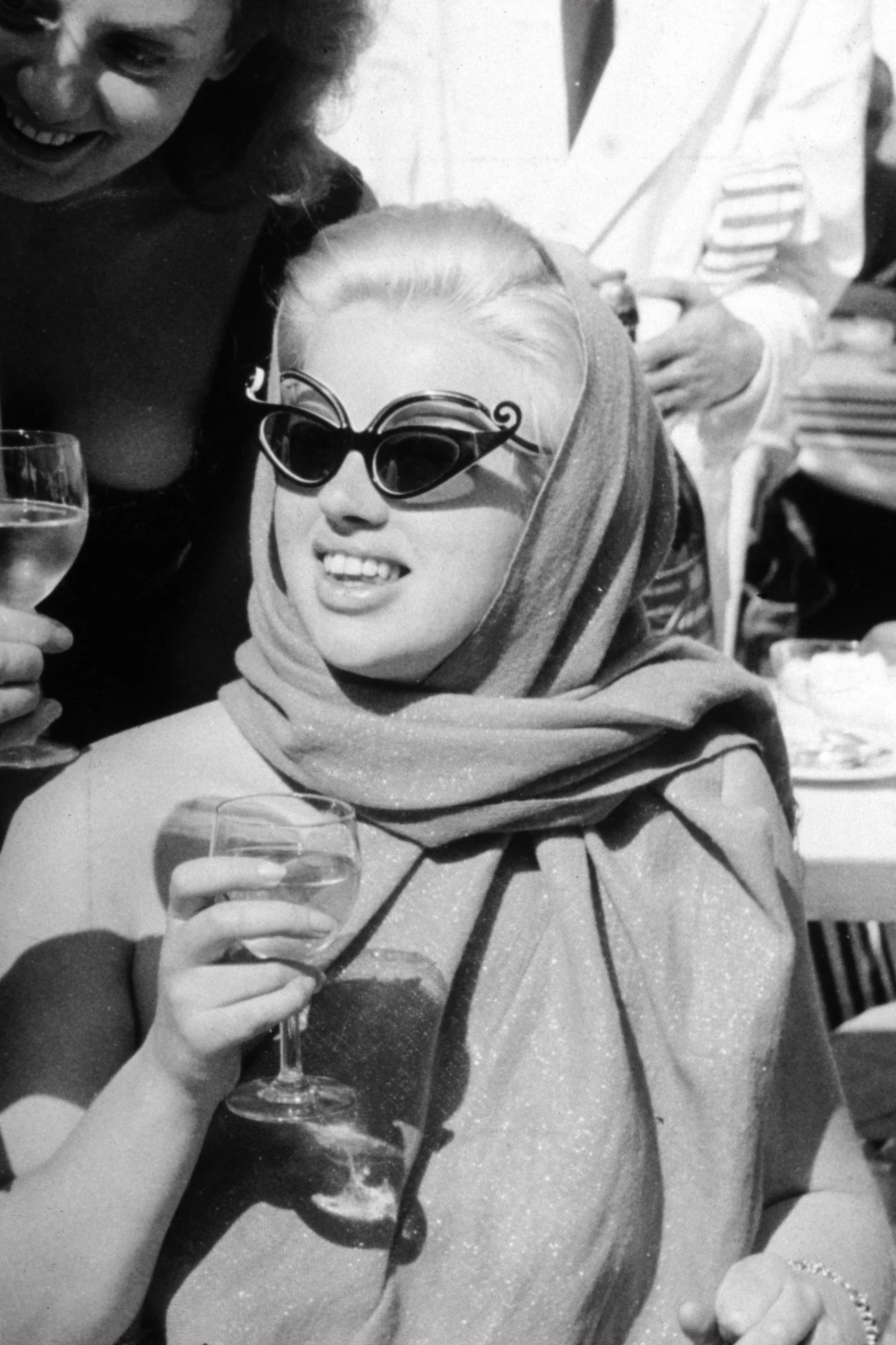
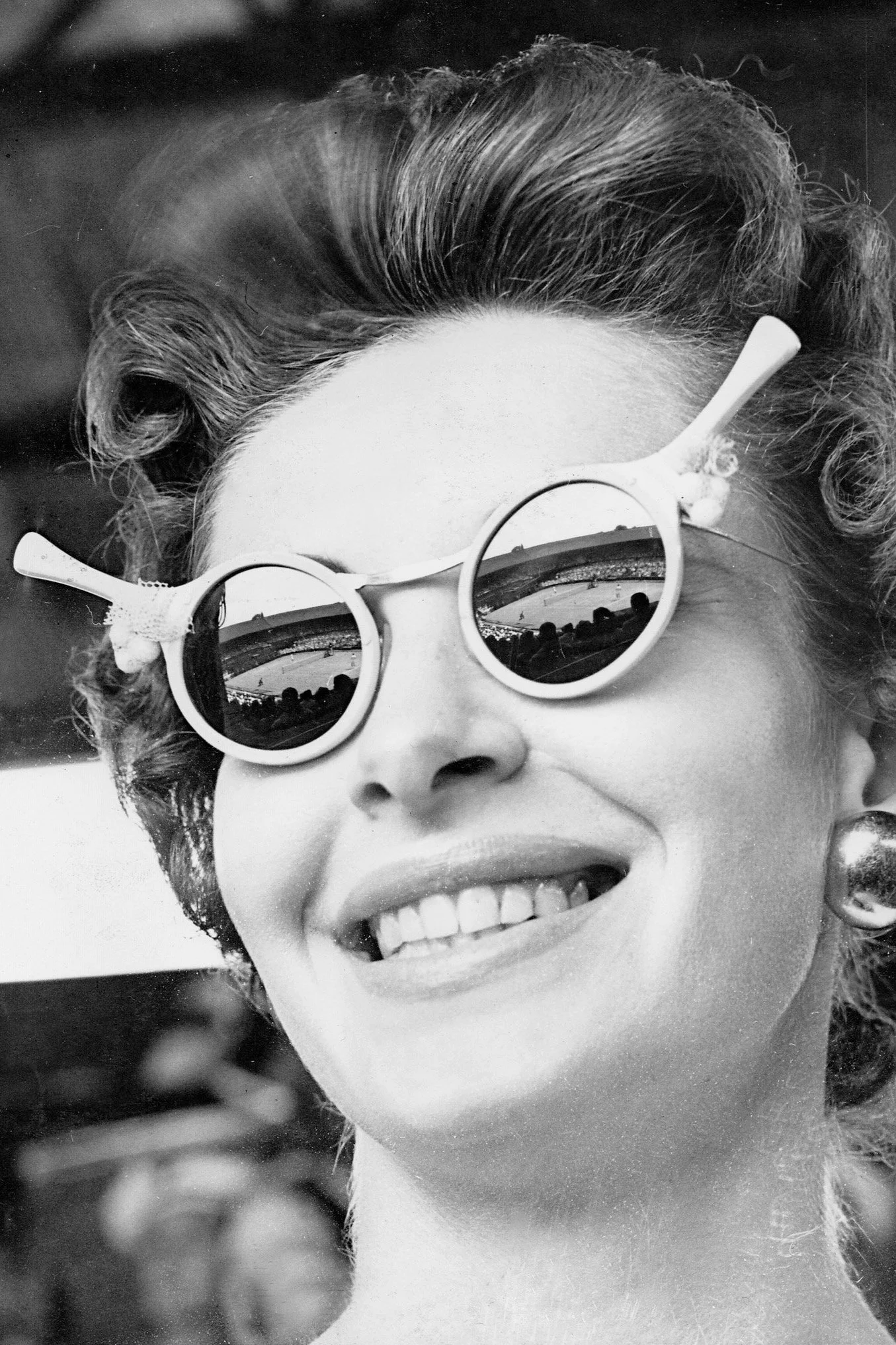
Charles didn't stop there. He created increasingly daring designs that graced the pages of Vogue, Tatler, and Harper & Queen. Department stores couldn't stock them fast enough. His spectacle frames were equally bold, designed to turn heads and capture attention.
Fashion designers began approaching Charles to create signature sunglasses for their collections—frames wrapped in bamboo, shaped like exotic butterflies, or adorned with dangling miniature tennis balls. The designs were so striking that one couturier was reportedly miffed when the sunglasses upstaged his clothing line in the press.
By 1954, what had started as a father-son partnership had transformed an entire industry, making sunglasses the fashion statement we know today.
RIP
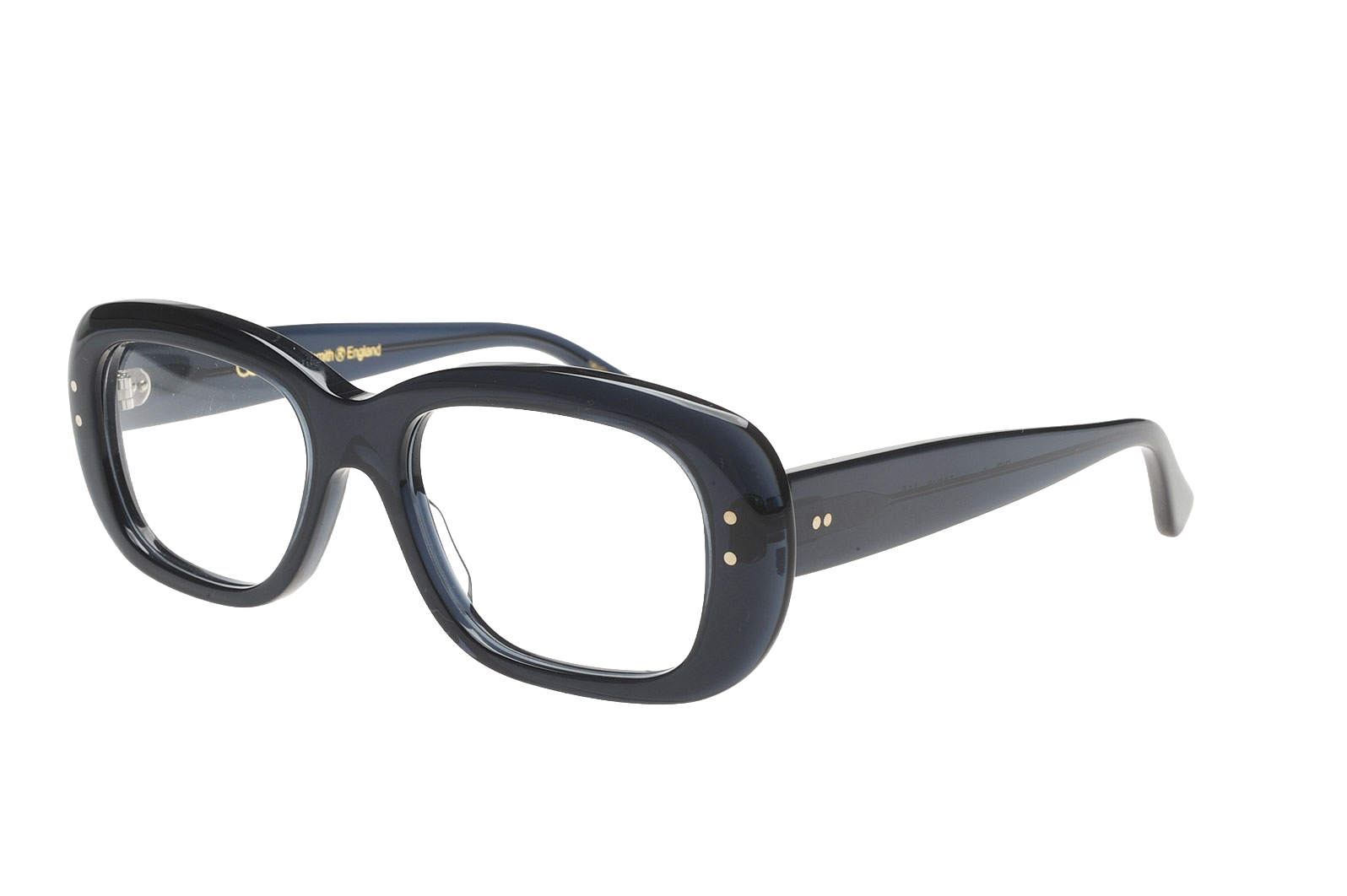
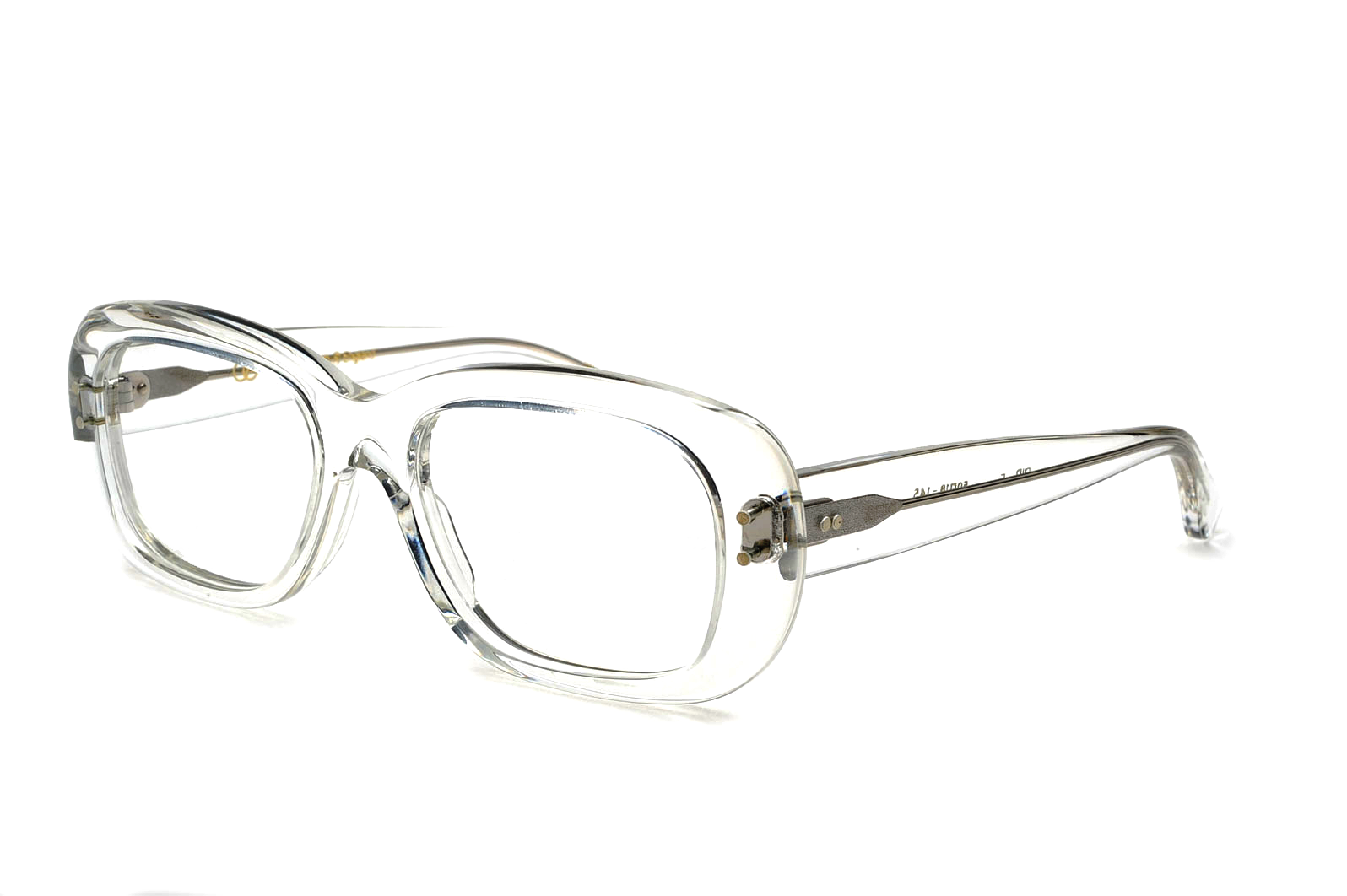
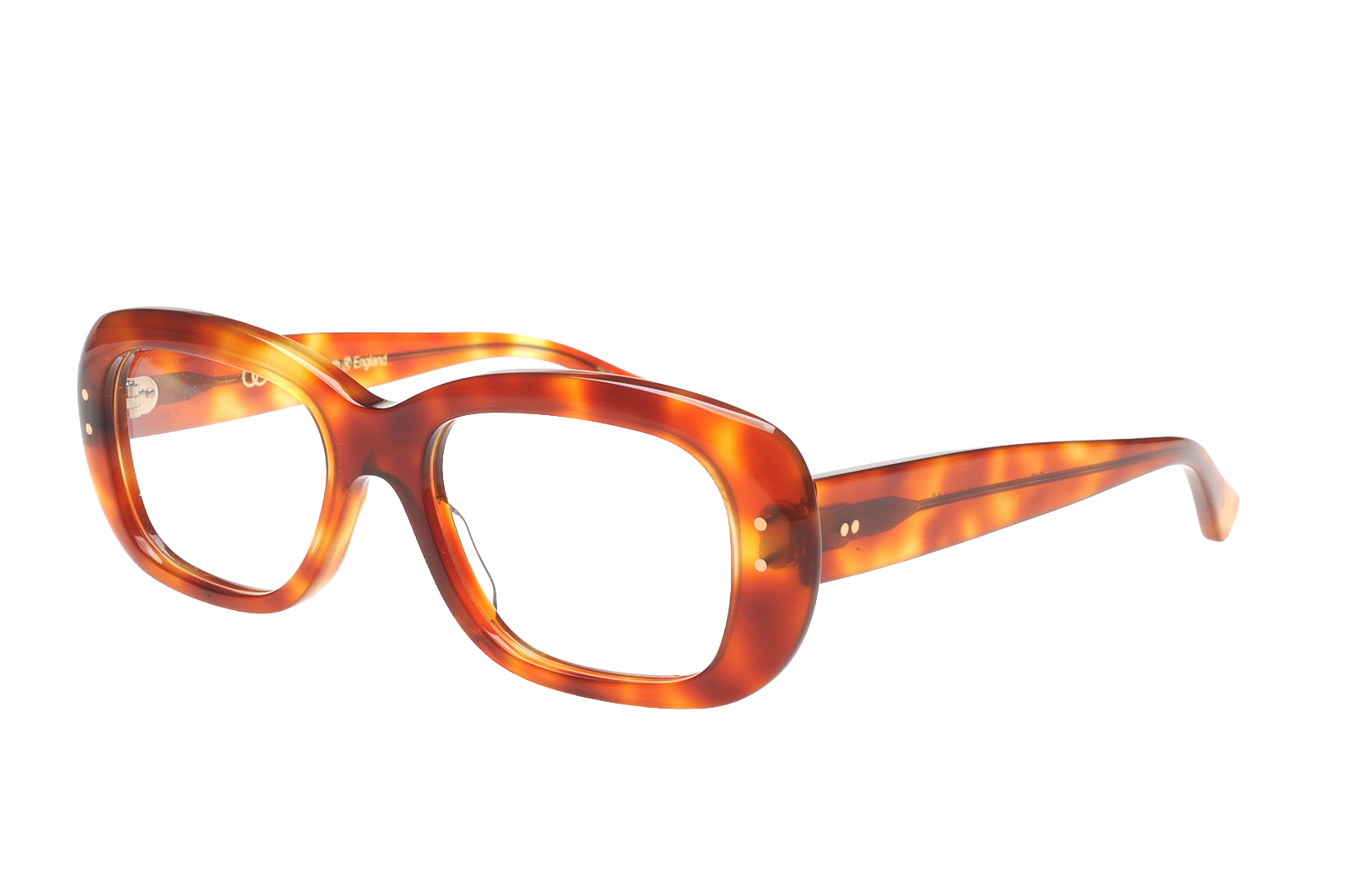
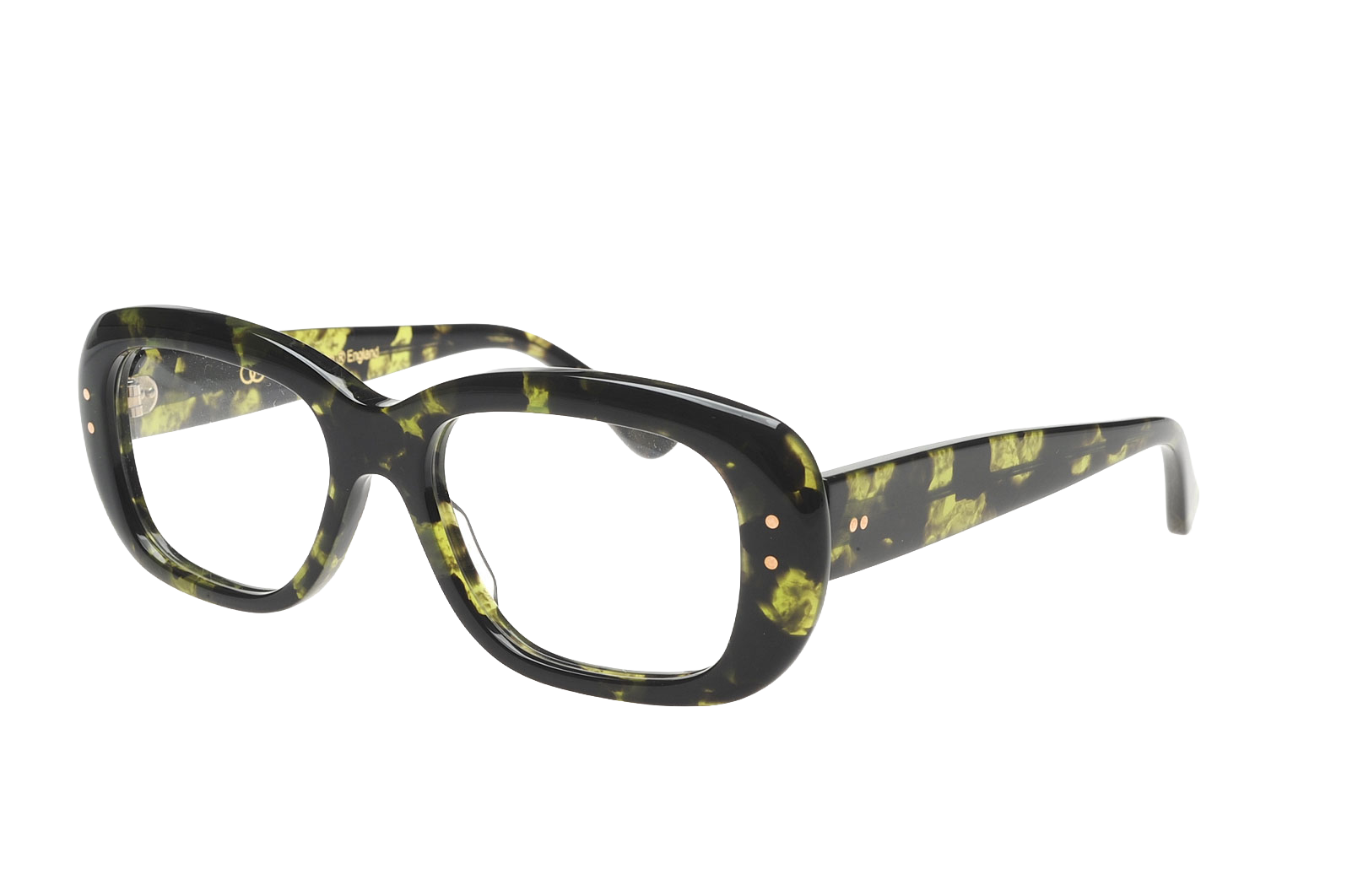
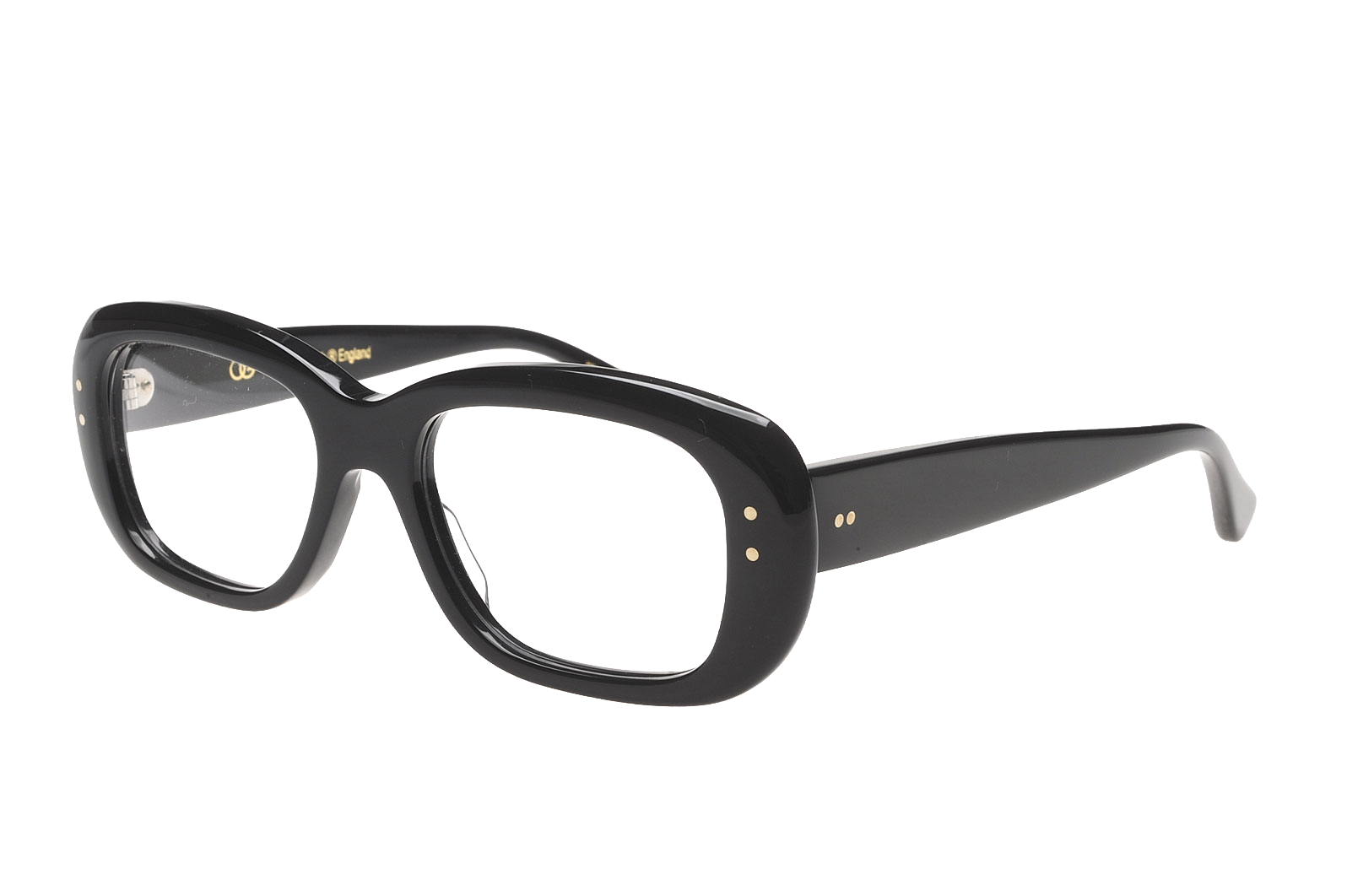
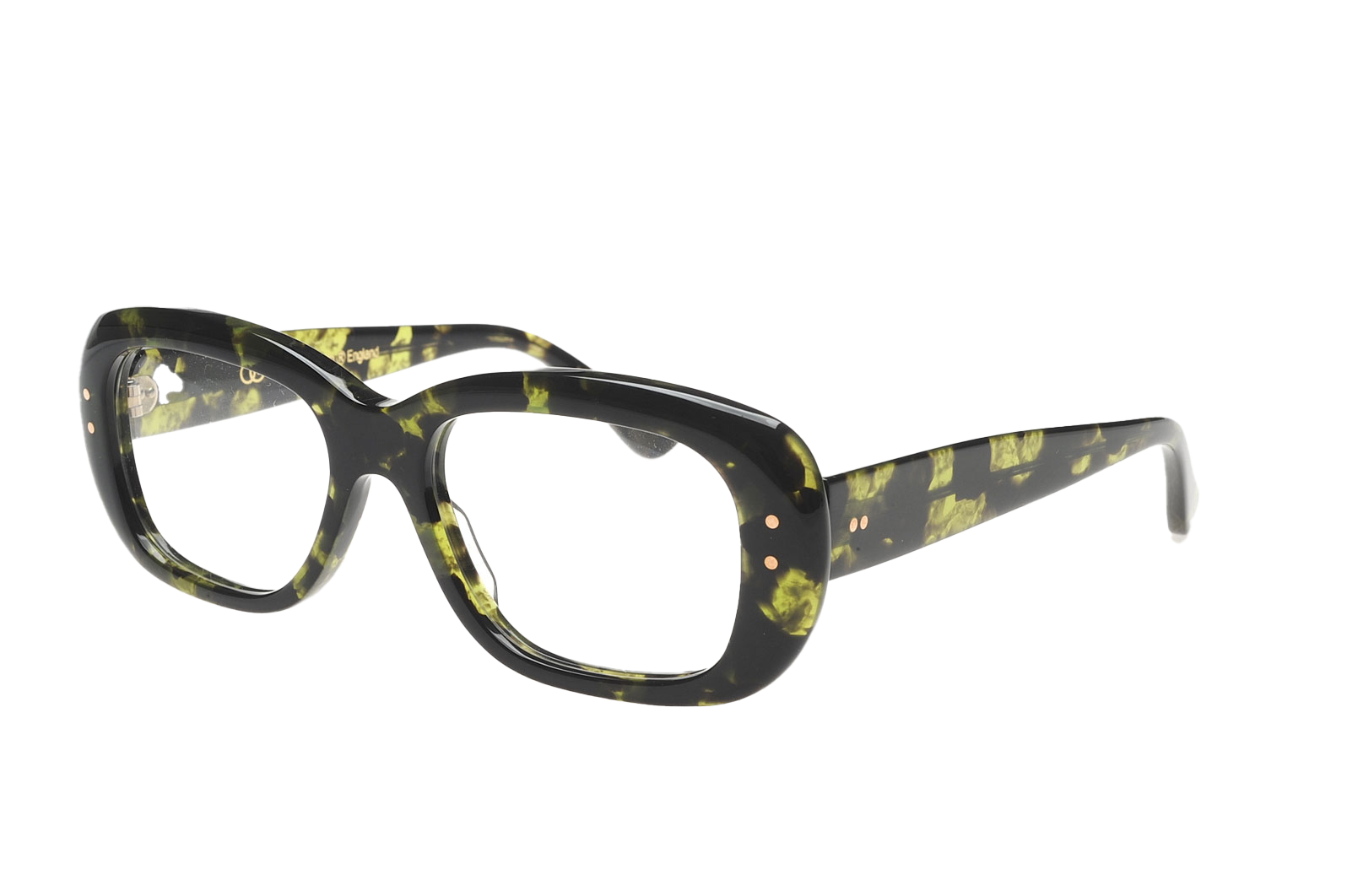
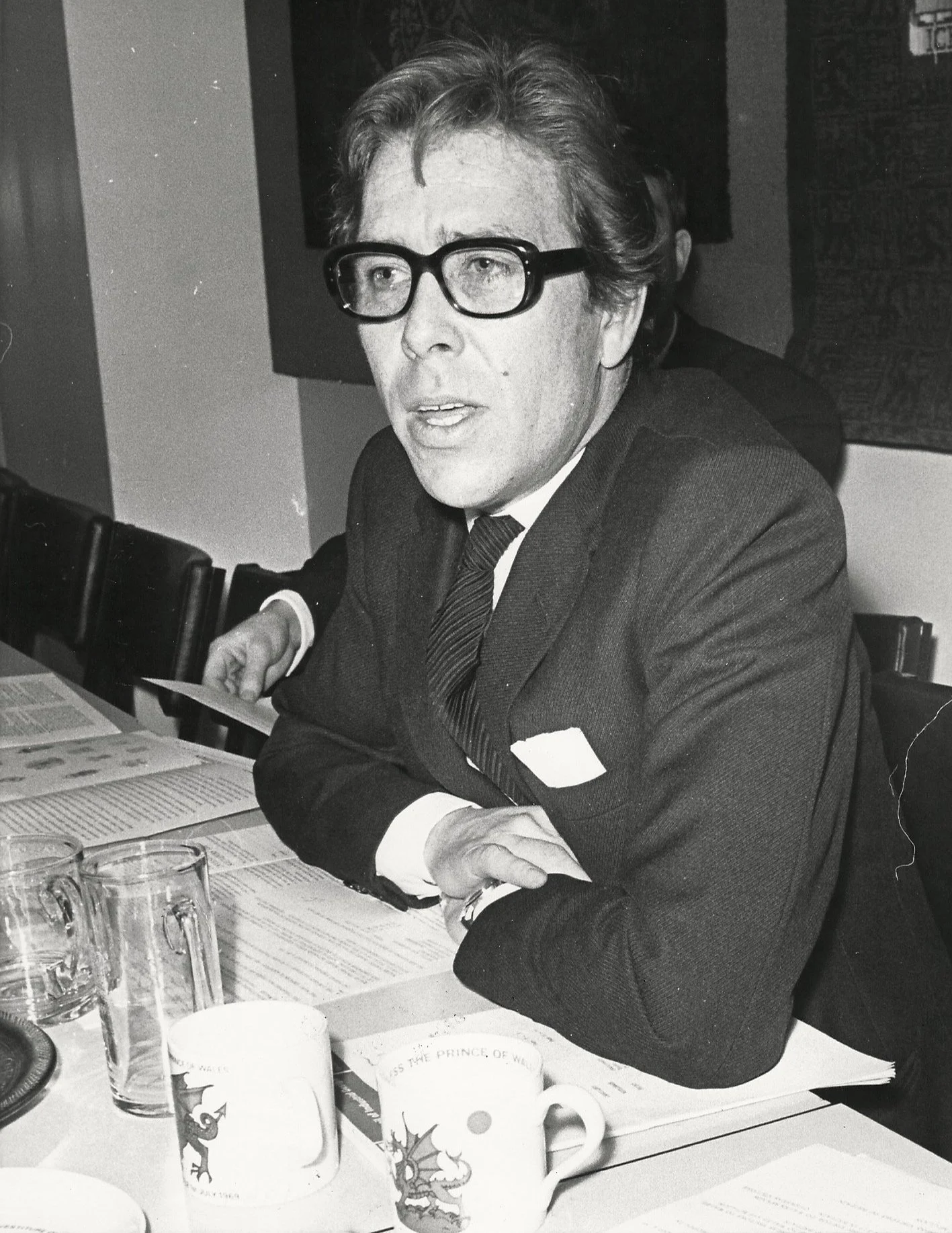
First frame designed by Oliver in 1963 and worn by Lord Snowden
-
Handmade from acetate in Japan
-
The size is 50-18 mm the sides are 140 mm
-
Delivery included
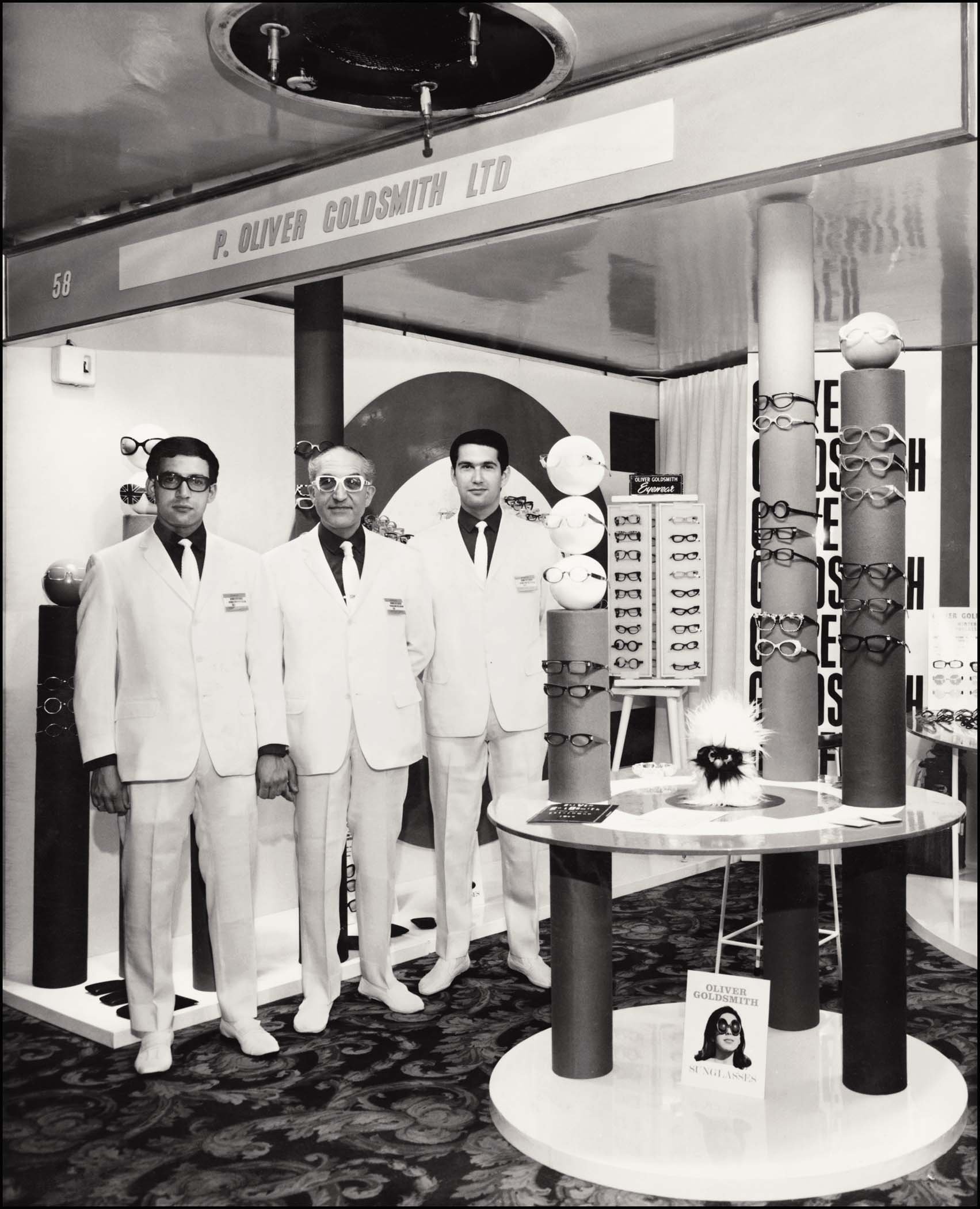
The Swinging Sixties & Beyond
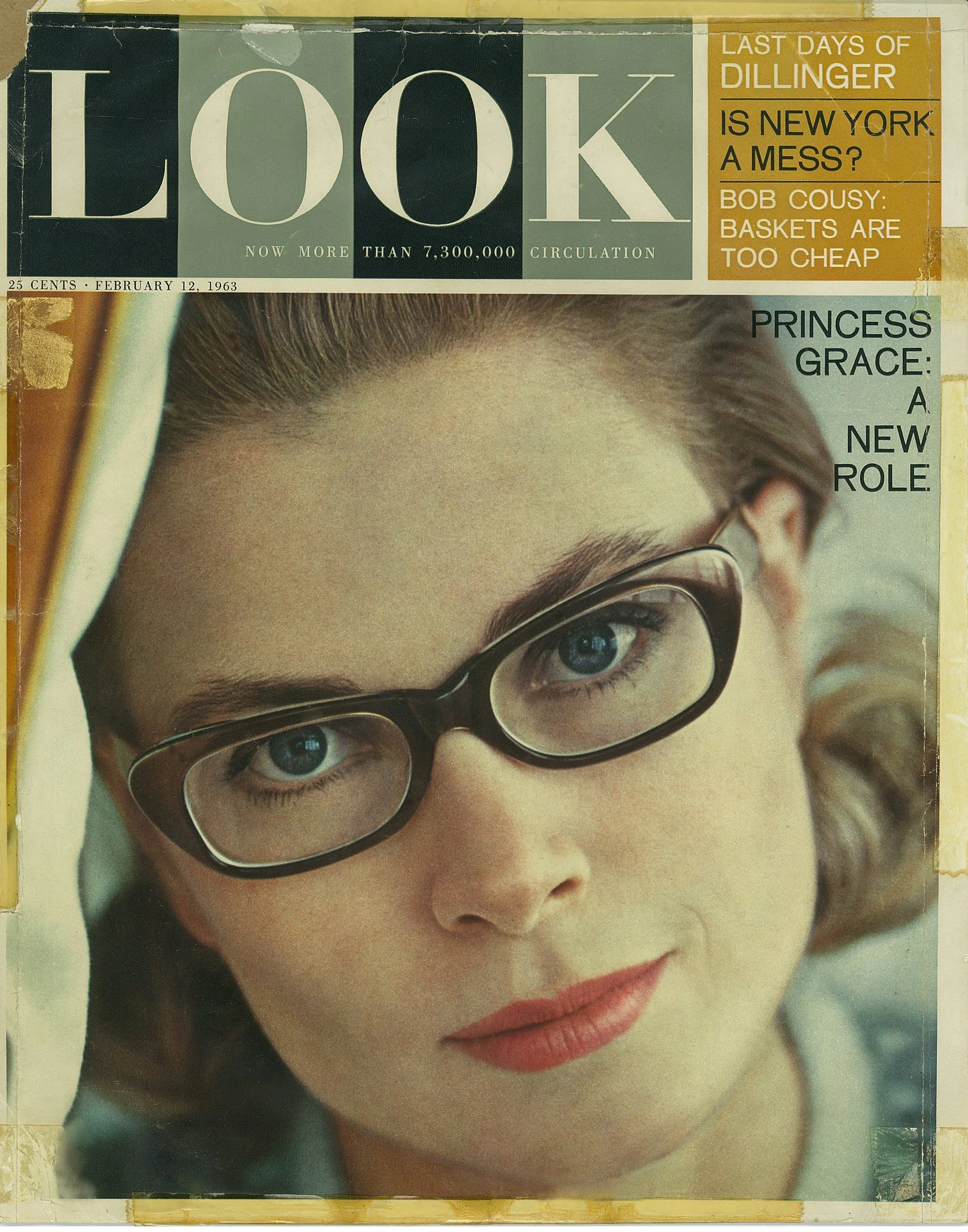
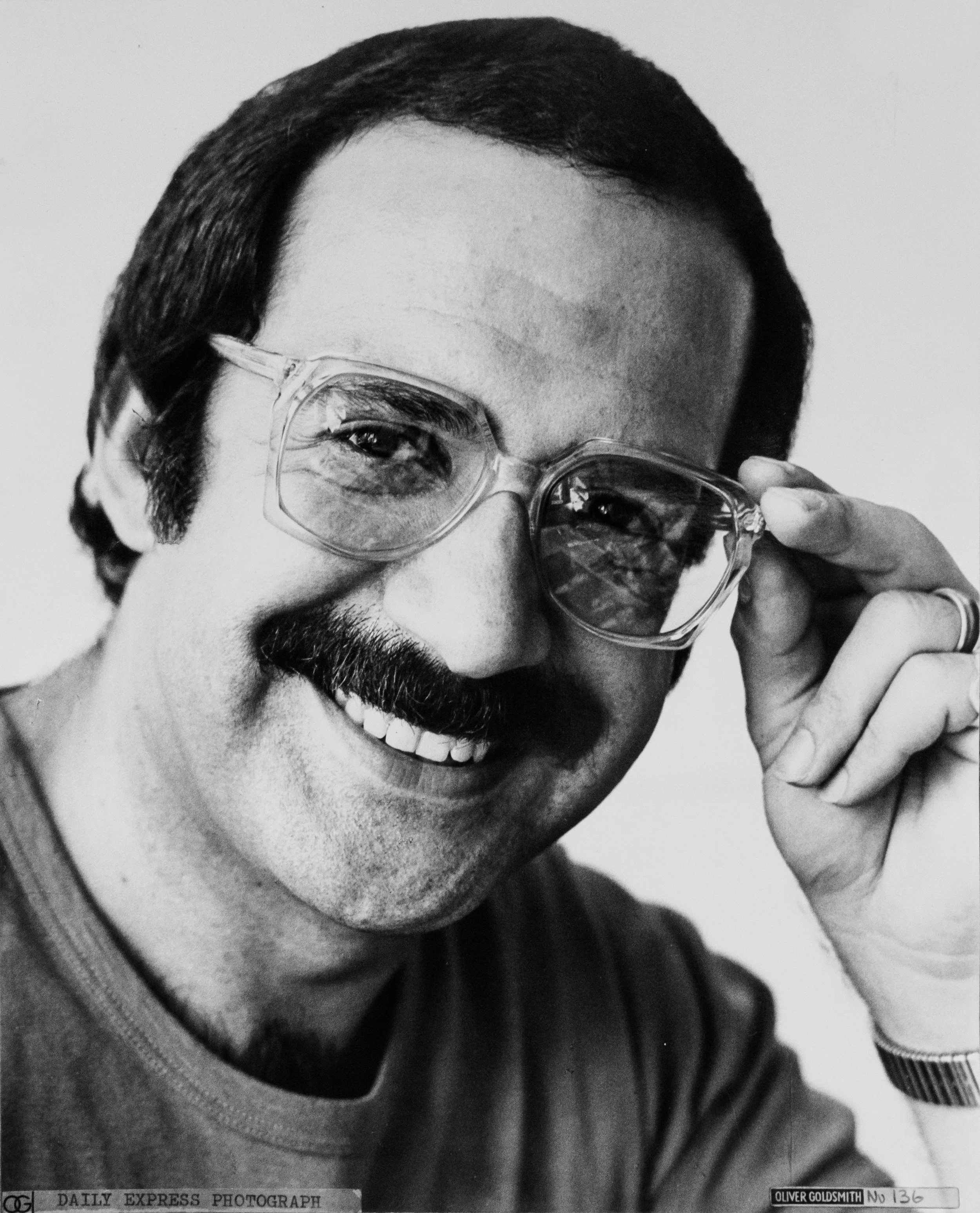
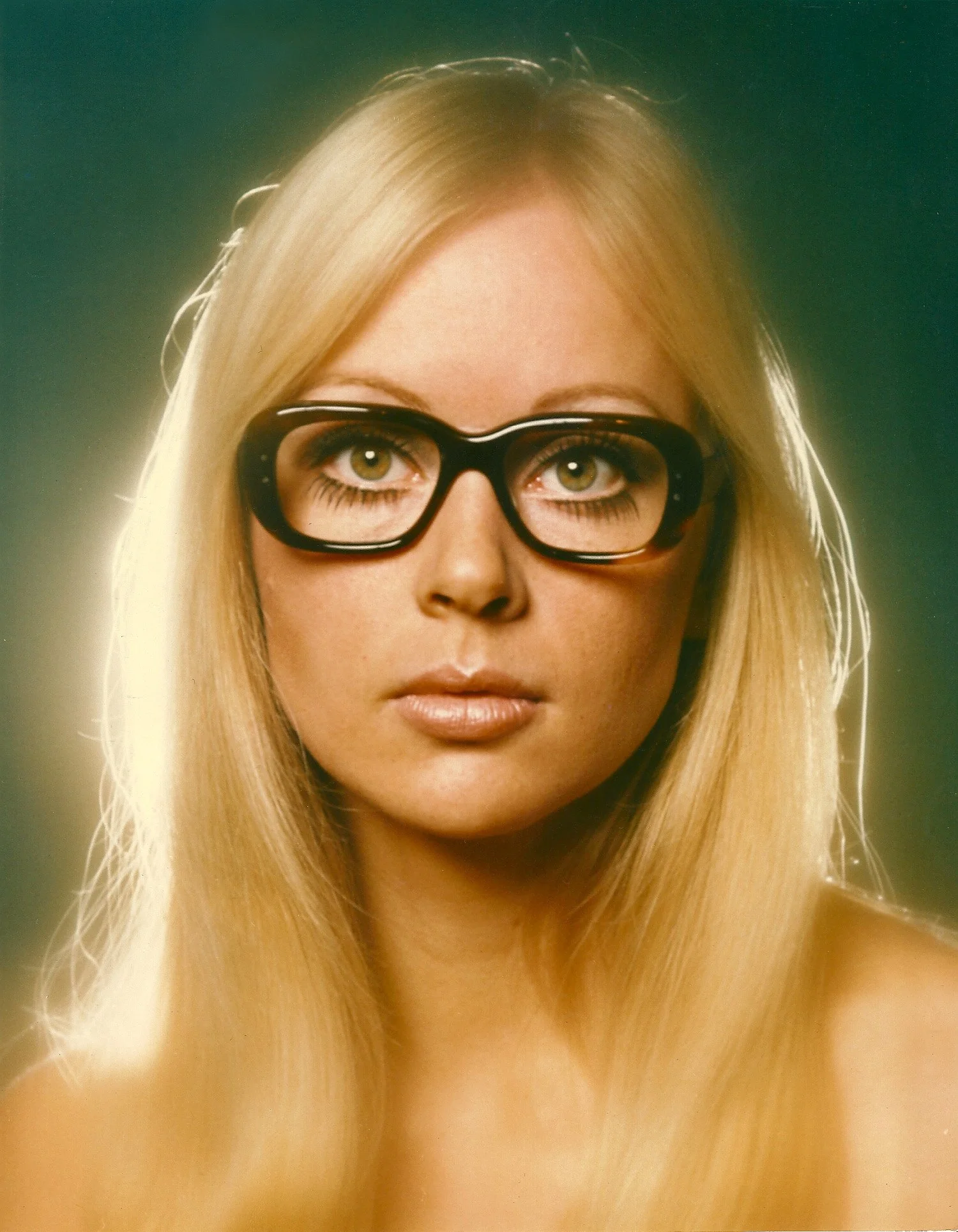
As the 1960s brought cultural revolution—free expression in fashion, music, and art—spectacles shed their stigma and became style statements. Perfect timing for the arrival of third-generation Andrew Oliver Goldsmith in 1960.
Initially an architecture student who doubted his buildings would stand, Andrew joined the family firm and earned his stripes the hard way. From 1961 to 1965, he traveled Britain as a sales rep, learning the business from the ground up before being allowed to design his first frame in 1966. It was then he adopted the name Oliver.
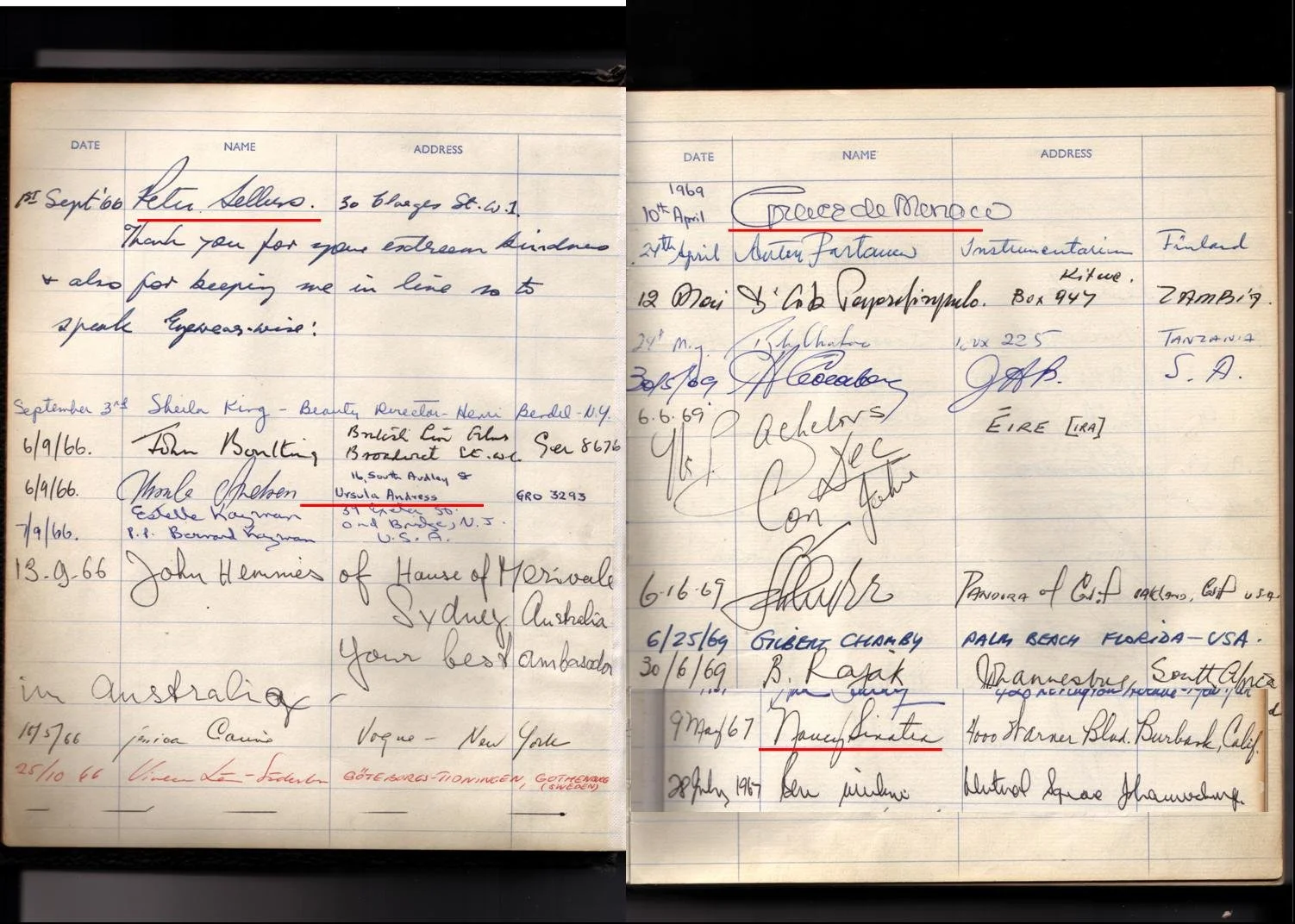
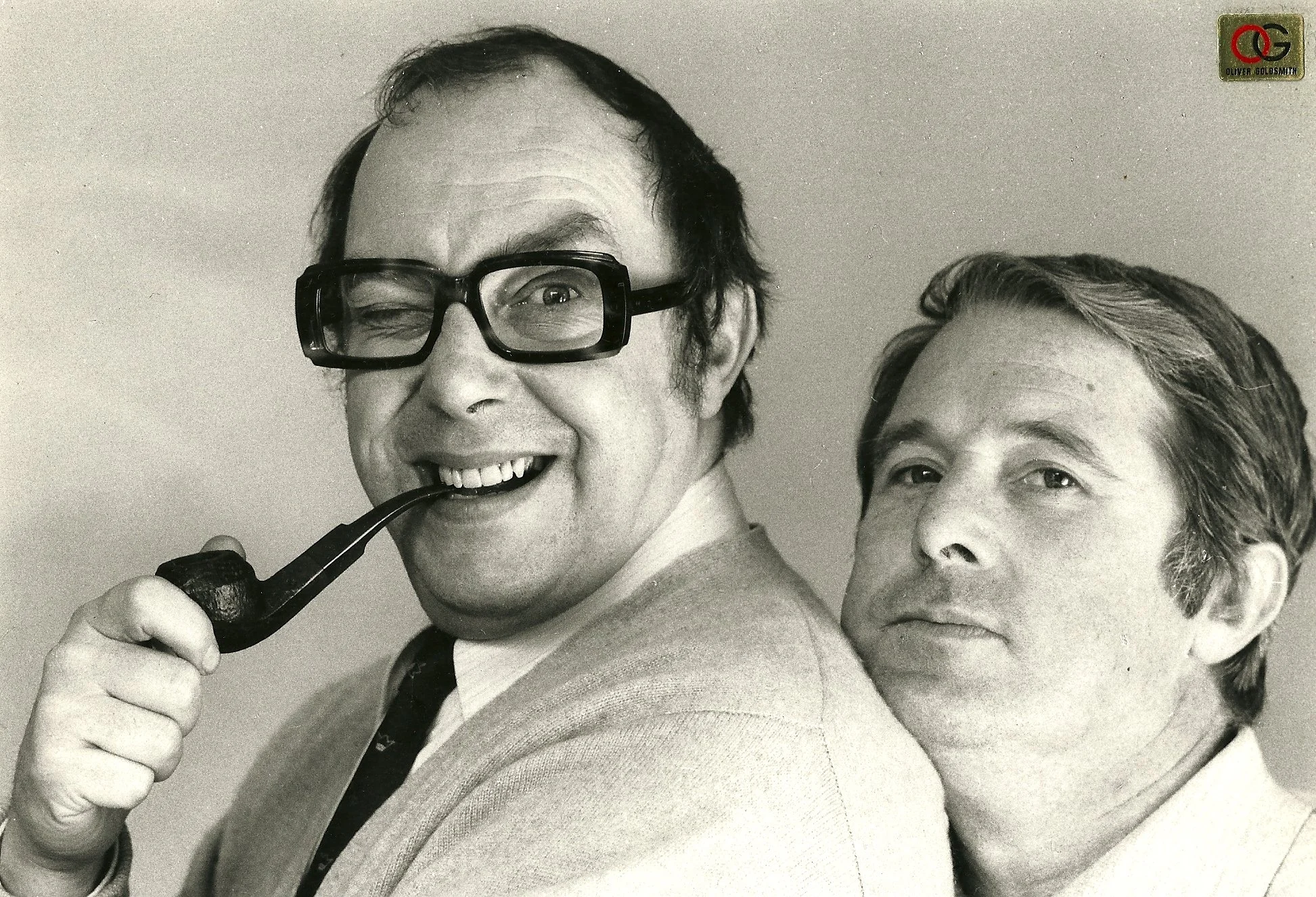
During the swinging sixties, the brand's star-studded clientele read like a who's who of glamour: Princess Margaret, Lord Snowdon, Princess Grace of Monaco, Peter Sellers, Audrey Hepburn, Nancy Sinatra, Michael Caine, Diana Dors, and John Lennon.
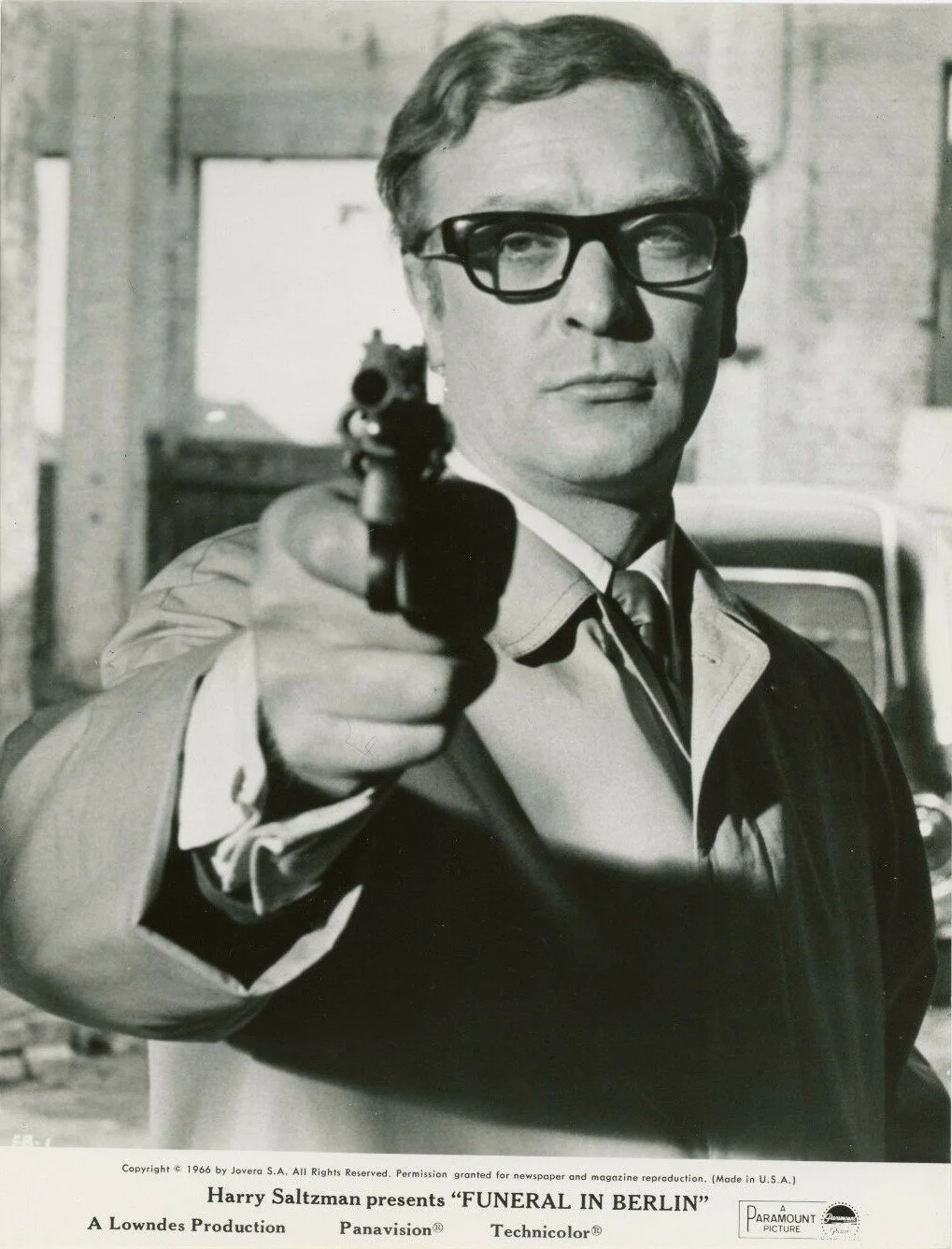
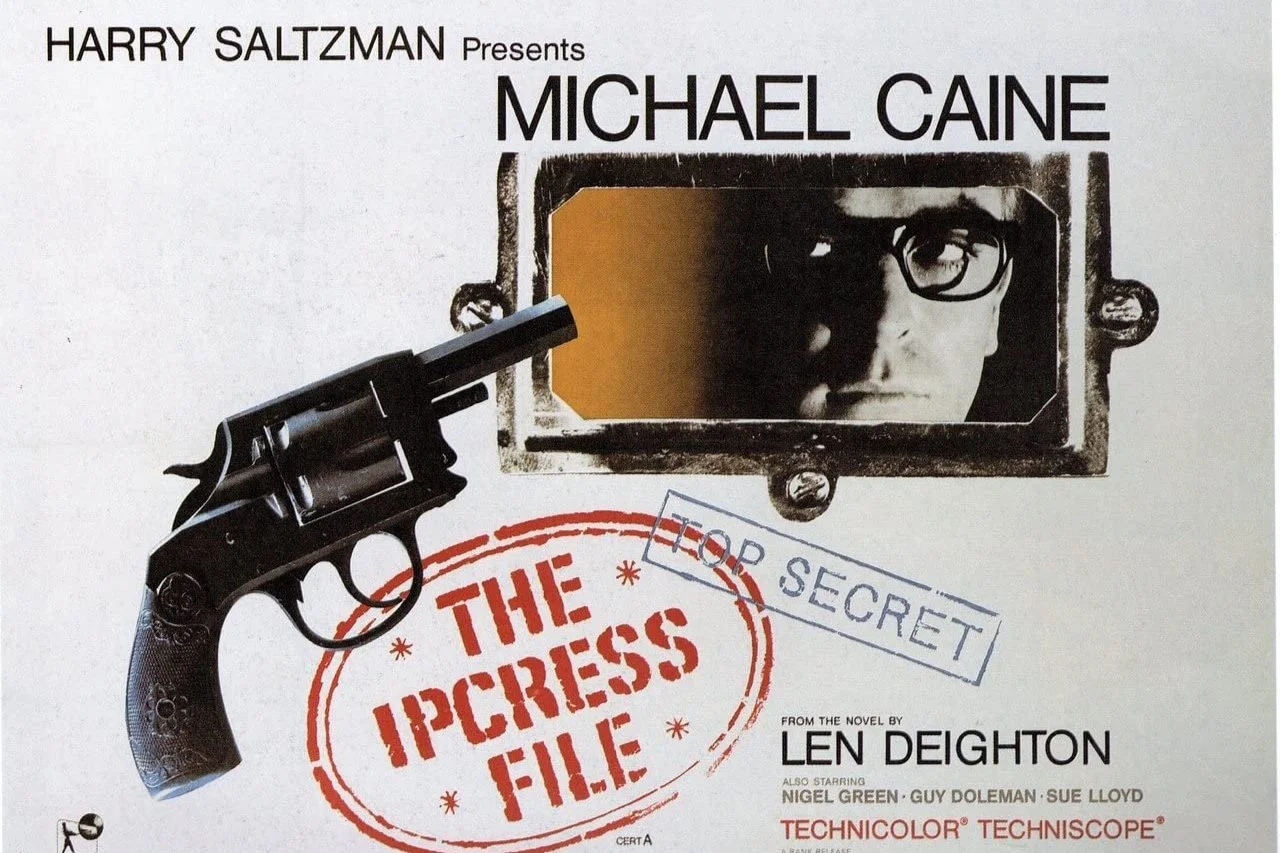
The 1970s and 80s brought Hollywood calling. Oliver created bespoke frames for Michael Caine's film roles and designed special sunglasses for Audrey Hepburn in "Two for the Road"—cementing the brand's place at the intersection of fashion and cinema.
Counsellor
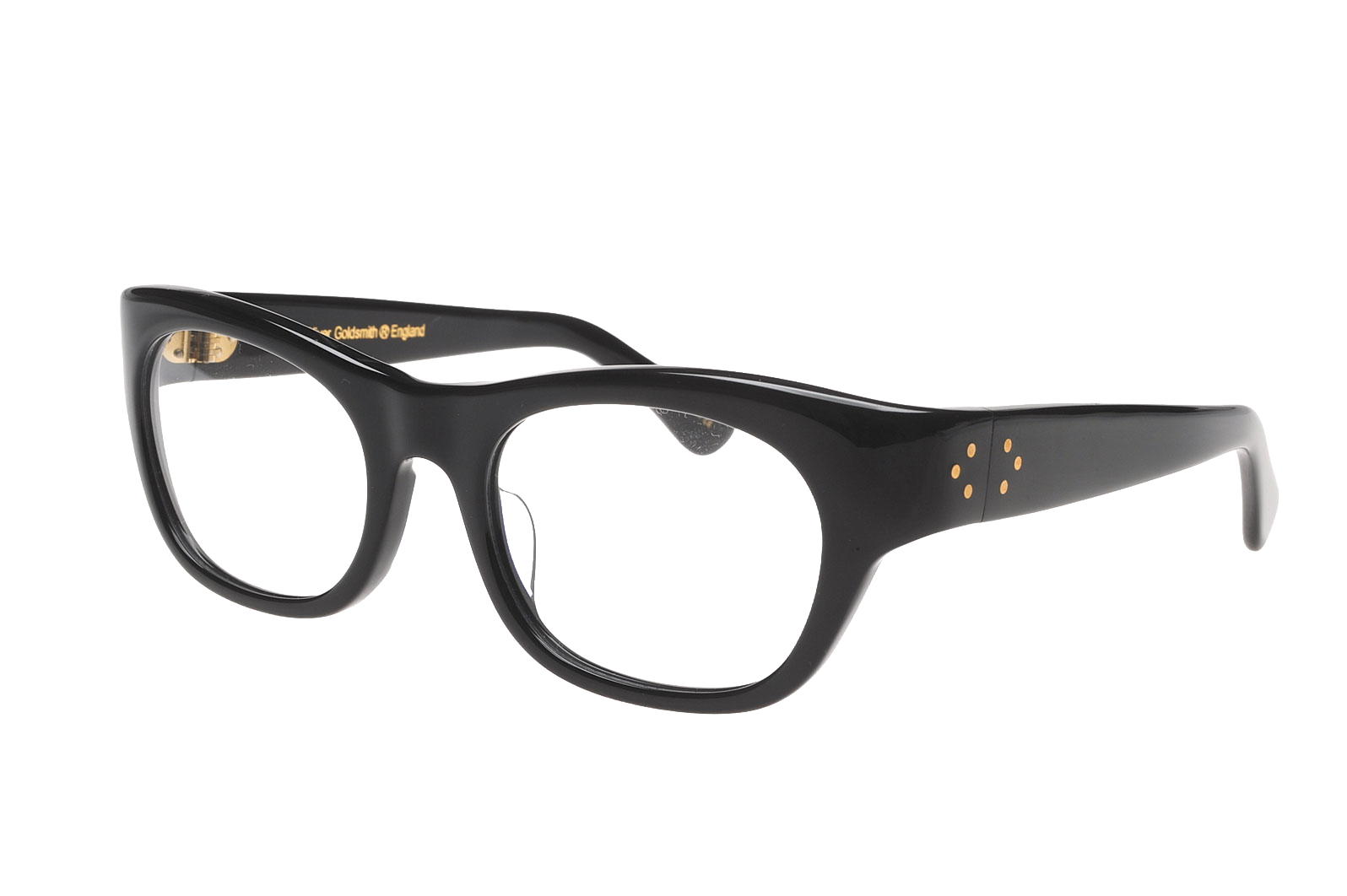
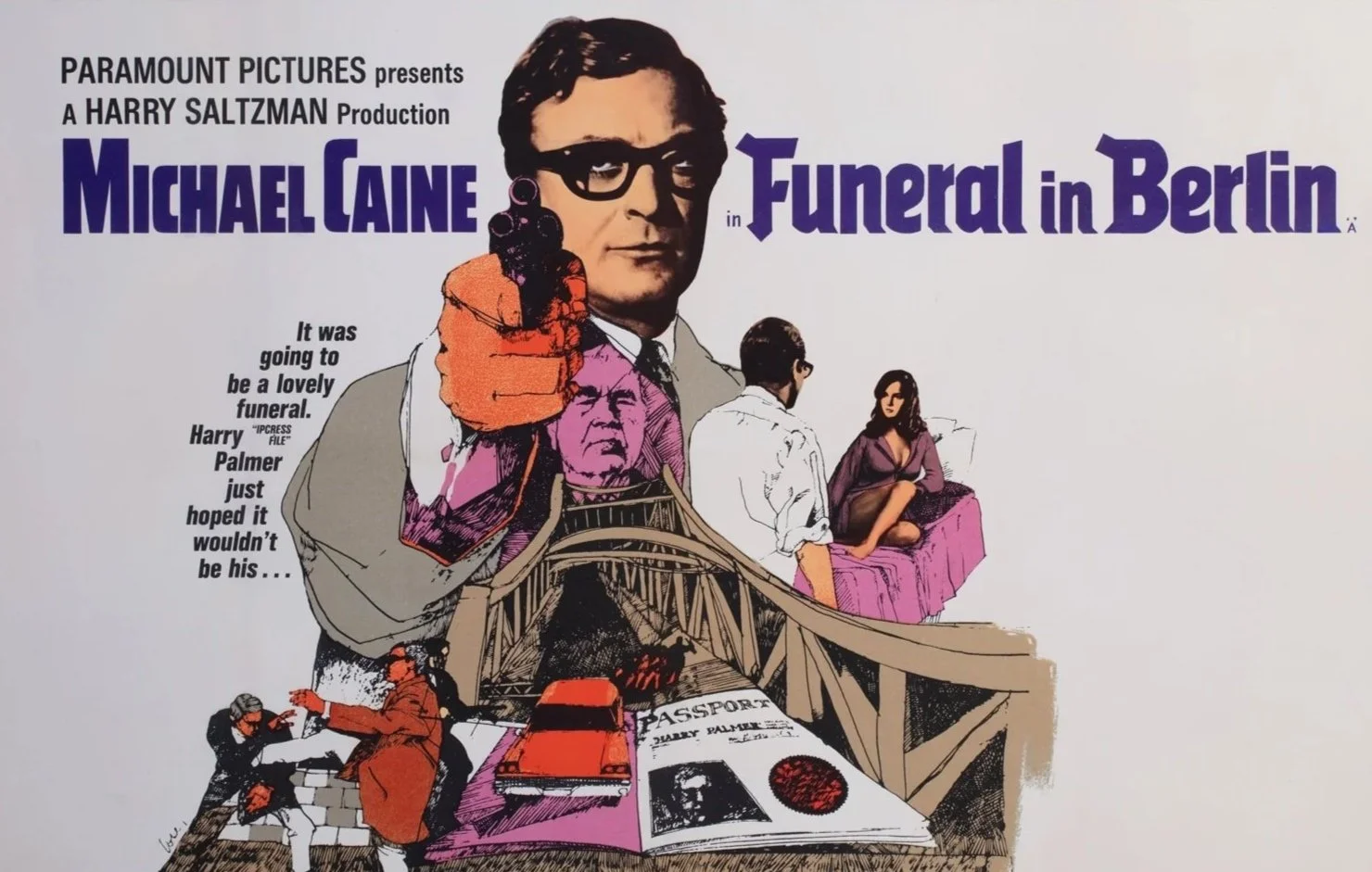
Designed and handmade by Oliver Goldsmith for Michael Caine in his film The Ipcress File. For the man who demands the finest.
Size: 53/21-132
-
Handmade from acetate in Japan
-
The size is 53-21 mm the sides are 132 mm
-
Delivery included
The Counsellor frame was born directly out of Michael Caine’s on-screen persona as Harry Palmer and the close collaboration between Oliver Goldsmith and the film industry in the mid-1960s. As Goldsmith explains, film producers approached him looking for spectacles that matched “Harry Michael Caine’s personality” for The Ipcress File, recognising that Palmer’s intelligence and quiet confidence needed to be expressed visually as well as through dialogue. An earlier experimental design, ingeniously hollowed to conceal a secret message for Funeral in Berlin proved too heavy for Caine to wear, forcing Goldsmith back to the drawing board. The solution was the Counsellor: a refined, wearable frame that retained the intellectual authority and modern edge required for the character, without gimmick or excess. Michael Caine wore the Counsellor on screen, and in doing so transformed it into an enduring symbol of cinematic cool, designed not for fashion alone, but to serve character, story and performance.
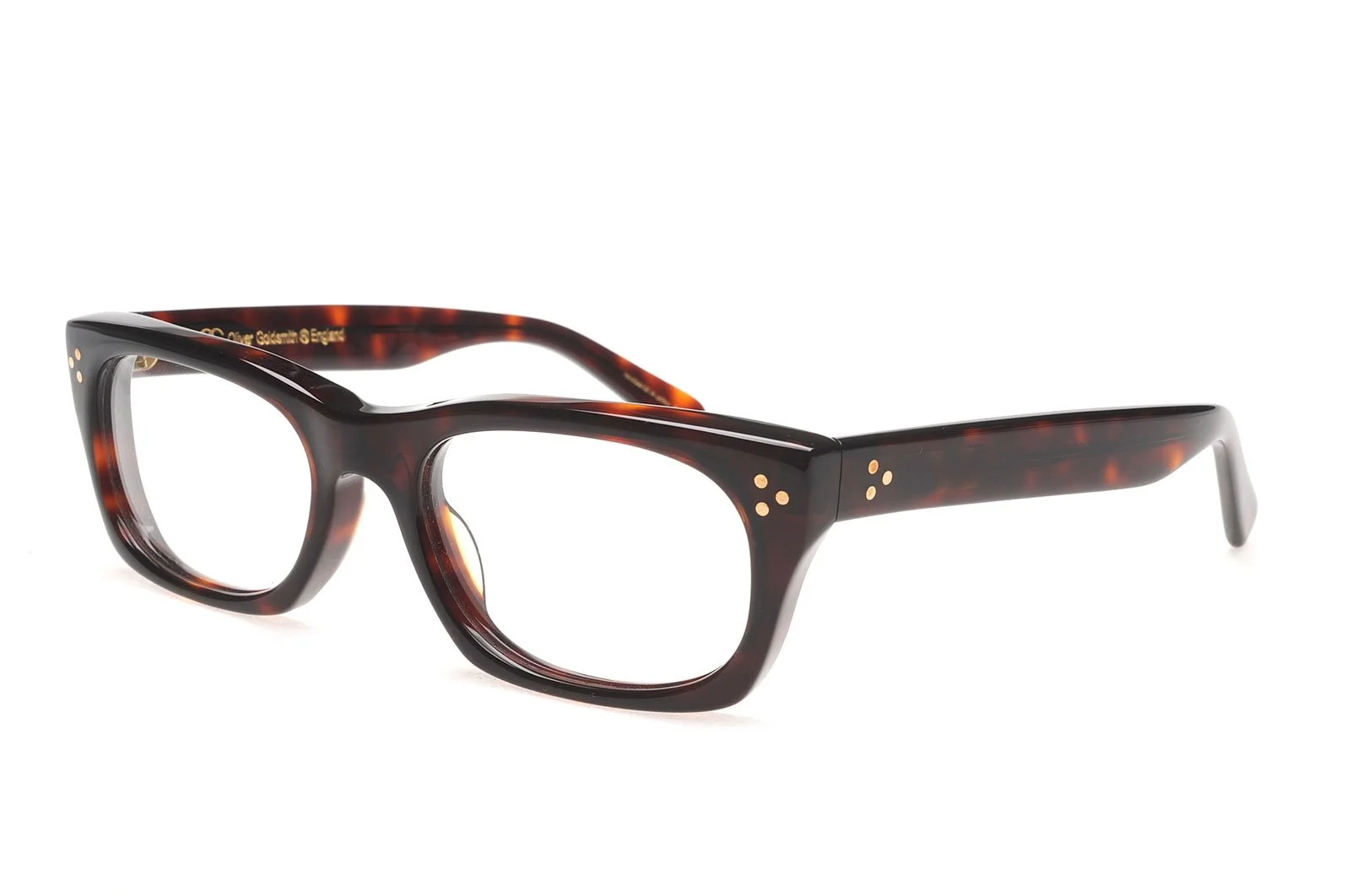
Vice Consul
-
Handmade from acetate in Japan
-
The size is 50-18 mm the sides are 140 mm
-
Delivery included
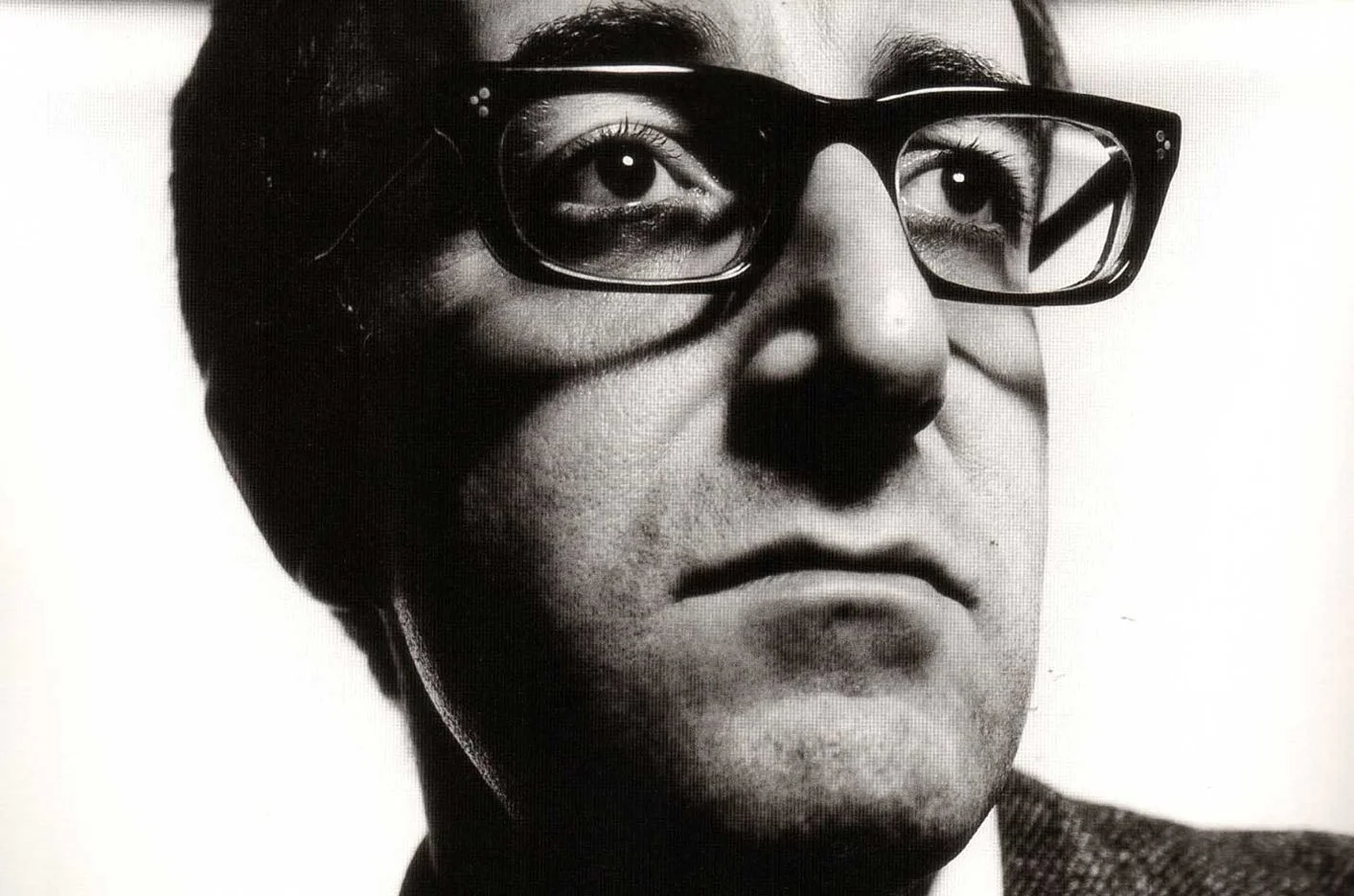
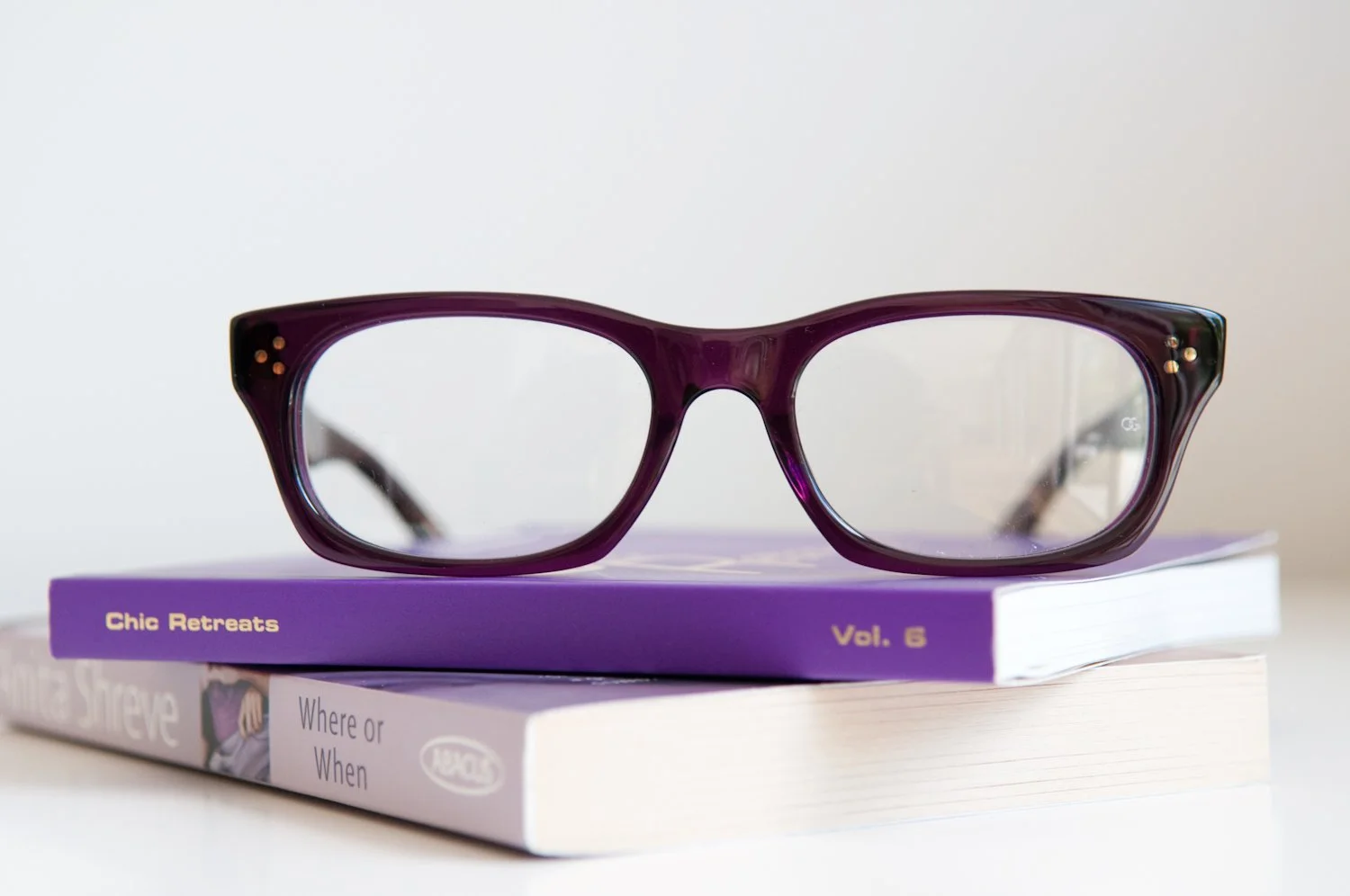
The Vice Consul was chosen by Peter Sellers of Pink Panther fame who was a friend of Charles Goldsmith. He used to come into the Poland Street Showroom on a regular basis.
The frame was from the late 60's and has been remade but with 10kt gold pins on the front and sides. Handmade in Japan using the finest quality acetate.
Comes complete with case, cleaning cloth and Box. Another best seller, if you excuse the pun!
The frame can be bought directly via the link below.
Royal Recognition & New Ventures
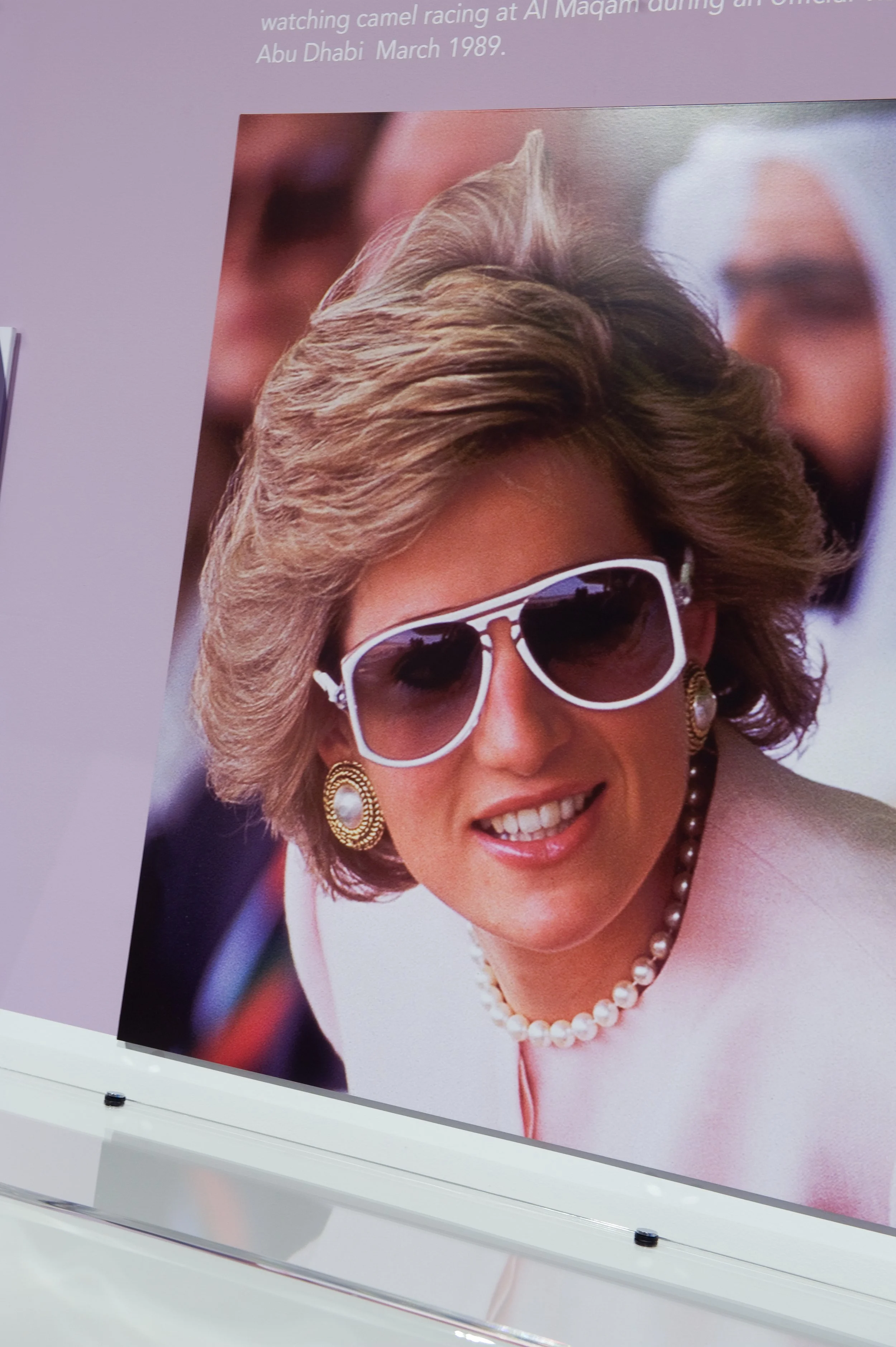
In 1982, Oliver Goldsmith achieved the ultimate accolade: becoming official supplier of sunglasses to Diana, Princess of Wales.
The late 70s also saw an ambitious collaboration with Unilever's Elida-Gibbs division. They wanted to compete with Polaroid and Foster Grant in the UK market with a new brand called "Goggles." Oliver provided designs and sourced factories capable of producing a million pairs annually. Unfortunately, four consecutive summers of terrible British weather ended this venture—proving even the best designs can't compete with cloudy skies.
Legacy & Renaissance
When Charles Oliver Goldsmith passed away in 1991, the Victoria and Albert Museum approached Oliver to create a display celebrating the company's iconic creations—a fitting tribute to decades of innovation.
In 1989, the company had split into two divisions: Oliver took the optical frames while his brother Ray managed sunglasses. Oliver successfully licensed his name to partners in the UK and Japan, but when Ray passed in 1997, the sunglass business went dormant.

The Fourth Generation
Everything changed in 2004 when Oliver's niece Claire Goldsmith decided to revive the sunglass legacy, launching a collection of Oliver's 1960s and 70s designs to instant acclaim. You can view all the sunglasses at olivergoldsmith.com.
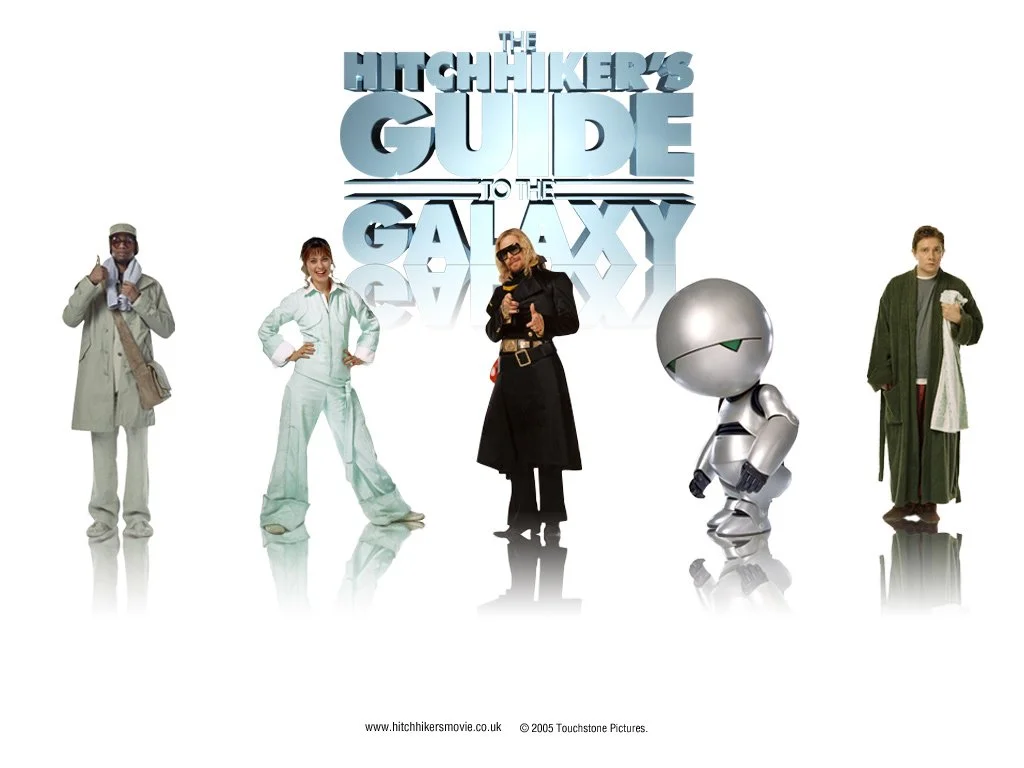
That same year, Oliver's son Nick—producer of "The Hitchhiker's Guide to the Galaxy"—commissioned his father to create special glasses for the film's actors.
In 2011, Oliver's daughter Alex Taibel joined as shareholder and director, representing the fourth generation to lead the company. Today, Oliver continues as the brand's ambassador, traveling globally—especially to Japan and Asia where demand remains extraordinarily high.
From a teenage boy helping his hardworking father to four generations of eyewear excellence, Oliver Goldsmith continues to define what it means to see the world in style.